Tips to Find the Best Roofing Contractors

One of the things you need to do when you are putting a new roof on your home and tearing off the old one would be finding the best roofing companies to do the job. When you are looking for the best roofing companies in your area, you will want to look for a number of things. By checking roofing contractors in Louisville, KY, you can find experienced roof repair experts. Here are tips to find the best roofing contractors for your home.

Check Track Record

You should locate roofing contractors with a proven track record. Individuals with a history of success in the industry are very likely to do a far superior job on your roof. Therefore, they are very likely to go above and beyond when it comes to customer service and get the job done excellently. This is one of the important things that you should check.

Read the Reviews

Laptop Reviews are critical when choosing a roofing company because they are usually produced by the men and women who have finished their roofs with the same builders you see. Usually, only those who have had a great experience or a bad experience need to write a review, which generally means you will probably find one-sided testimonials.

However, this can be very useful if you are looking for the best builders, as it will let you know if people are happy with what they have done and what they have to say about the builders. One of the best ways to find the best builders in your city is through online rating and review sites.

Get Recommendations

Talking One way to help you find the best roofing company is to get recommendations from your friends and families. Inspection and testing websites can also provide an interactive community for those interested in finding builders. People who have completed their roofs in your city, making it a wonderful tool for finding the roofing contractor you’re looking for to do a great job on your roof.

There are several things to think about when preparing to have your roof finished. Finding the perfect roofing company in your area is one of the most crucial. That is why it is best to get recommendations from people who you know and can trust. So contacting them and ask how their experience was with that company.

Related Post

couch

Doggy Design: Tips for Making Your Home Pup-Friendly

Welcome to the paw-sitively delightful world of Doggy Design. If you’re a proud dog parent, you know that our furry friends deserve a home that’s just as stylish and comfortable as we do. But merging pup-friendly aesthetics with your decor can be quite the ruff challenge! Fear not—this blog post is here to unleash your creativity and help you transform your living space into a tail-wagging paradise. From cozy nooks for nap time to chic storage solutions for toys, we’ve got all the tips and tricks to make your home both fabulous and fur-approved.

Choose Pet-Friendly Fabrics

pup

Let’s start with the basics: your furniture. If you’ve ever come home to find your favorite couch shredded or covered in paw prints, you know how important it is to choose durable, pet-friendly fabrics. Opt for materials like microfiber, leather, or tightly woven fabrics that can withstand claws and muddy paws. And don’t forget about color—neutral tones or patterns can help hide the occasional fur or stain. If you’re feeling extra fancy, you can even find stylish, washable slipcovers that make cleanup a breeze.

Designate a Play Zone

Dogs need space to play, so why not create a designated play zone in your home? This could be a corner of the living room with a basket of toys, a section of the backyard with agility equipment, or even a dedicated doggy playroom if you have the space. If you aim to create a safe play zone outdoors without the need for traditional fencing, you might notice a difference in the quality of the halo vs spoton fence. Make sure the area is safe and free of hazards like loose wires or small objects that could be swallowed. And don’t forget to include plenty of toys to keep your pup entertained. From chew toys to puzzle games, the options are endless.

Create a Cozy Nook for Your Pup

Every dog needs a space to call their own. Whether it’s a plush bed in the corner of the living room or a cozy crate in the bedroom, make sure your pup has a spot where they can relax and feel safe. When choosing a bed, think about your dog’s size and sleeping style. Do they like to sprawl out or curl up in a ball? Memory foam beds are great for older dogs with joint issues, while waterproof options are perfect for puppies who are still mastering potty training. And don’t forget to add a few personal touches, like a favorite blanket or toy. After all, this is their little slice of heaven.

toy

Incorporate Easy-to-Clean Flooring

Let’s face it: dogs can be messy. From muddy paws to accidental spills, your floors need to be able to handle whatever your pup throws their way. Hardwood, tile, and laminate are all great options because they’re easy to clean and resistant to scratches. If you prefer carpet, go for stain-resistant varieties or use area rugs that can be easily washed or replaced. And if you’re feeling extra fancy, consider installing radiant floor heating. Your dog will love the warm floors during the winter months, and you’ll love the cozy ambiance it adds to your home.

Think About Accessibility

As your dog ages, their needs may change. Consider designing your home with accessibility in mind. For example, if you have a small dog or an older pup, you might want to add ramps or stairs to help them get on and off the couch or bed. You can also install pet doors to give your dog easy access to the backyard or create a feeding station that’s at the perfect height for their size.

Add Personal Touches

corner

Finally, don’t forget to add a few personal touches that reflect your dog’s personality. This could be anything from a custom portrait above the fireplace to a monogrammed food bowl or a gallery wall of your favorite photos. You can even incorporate your dog’s favorite colors or patterns into your decor. After all, this is their home too, so why not make it feel special?

Designing a dog-friendly home is all about finding the perfect balance between style and functionality. With a little planning and creativity, you can create a space that’s comfortable, practical, and beautiful—for both you and your furry friend. So, what are you waiting for? Start designing the ultimate dog-friendly home today. Your pup will thank you with wagging tails and wet kisses.

grass

Tips for Choosing the Right Plants for Your Backyard

Designing a beautiful and functional backyard starts with choosing the right plants, a step many homeowners often overlook. The selection of plants directly affects the overall backyard design, long-term maintenance, and aesthetic appeal. Consulting a professional specializing in backyard design can provide valuable guidance, helping you choose plants that thrive in your specific soil, climate, and sunlight conditions. Considering factors such as water needs, growth patterns, and seasonal changes ensures a healthy, low-maintenance garden. Thoughtful combinations of colors, textures, and heights create visual interest, support biodiversity, and enhance the usability of your space. By planning carefully, you can craft an inviting backyard enjoyable for gatherings, relaxation, and outdoor activities throughout the year.

Assess Sunlight and Shade Conditions

One of the first steps in selecting backyard plants is analysing how sunlight interacts with your space throughout the day. Some plants require full sun for at least six hours, while others thrive in partial shade or full shade. Mapping out sunny and shaded areas allows you to place each plant where it can perform optimally, reducing stress and promoting healthy growth. Additionally, consider seasonal variations in sunlight. Trees or structures may cast shadows at different times of the year, which can affect plant health. Paying attention to these details prevents premature wilting and keeps your garden vibrant year-round.

Consider Soil Quality and Drainage

Different plants have varying soil preferences, including pH levels, nutrient content, and texture. Before planting, test your soil to understand its composition. Some plants, like succulents, prefer sandy, well-draining soils, while others, such as ferns, thrive in nutrient-rich, moisture-retentive soil. If your soil lacks the essential nutrients or has poor drainage, improving it with organic matter or installing raised beds may be necessary. Proper soil preparation helps prevent root rot, nutrient deficiencies, and uneven growth, creating a strong foundation for a thriving backyard garden.

Choose Plants Suitable for Your Climate
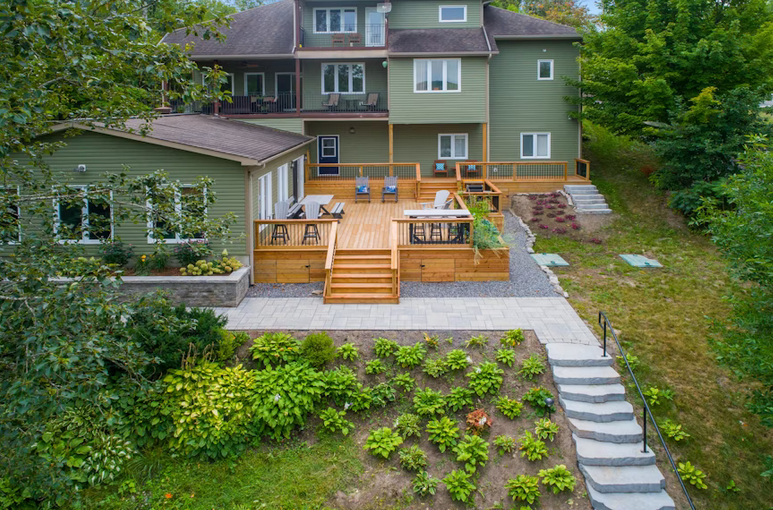
green backyard

Climate is crital in plant selection. Plants that are not adapted to your region’s temperature ranges, rainfall patterns, and humidity levels are unlikely to thrive. Consult local resources or professional landscapers to identify native or climate-appropriate plants. Native plants usually need less water and maintenance, resist pests, and provide habitat for local wildlife. By selecting vegetation that thrive in your climate, you reduce the risk of plant stress, lower water usage, and create a sustainable garden environment that can flourish year after year.

Balance Size, Growth Rate, and Maintenance

When selecting plants, consider their mature size, growth rate, and maintenance requirements. Some plants grow quickly and may require frequent pruning, while others grow slowly and need minimal attention. Understanding how large plants will become helps prevent overcrowding and maintains a balanced appearance. Additionally, incorporating a mix of low-maintenance plants can reduce long-term workload, making your backyard enjoyable rather than burdensome. Think about how the plants will interact with pathways, outdoor furniture, and other structures to maintain a functional and aesthetically pleasing space.

Incorporate Diversity and Visual Interest

A well-designed backyard incorporates a variety of plant types to create texture, color, and seasonal interest. Combining shrubs, flowering plants, grasses, and ground covers can add depth and dimension, preventing a monotonous appearance. Selecting plants with staggered blooming periods ensures continuous color throughout the seasons. Furthermore, integrating edible plants or pollinator-friendly flowers can enhance the backyard’s usability and environmental contribution. Thoughtful combinations make the space stimulating visually and creates a more welcoming environment for both residents and visitors.

Selecting the best plants for your backyard is crucial for creating a vibrant, functional, and sustainable outdoor space. By assessing sunlight and shade conditions, understanding soil quality and drainage, choosing climate-appropriate plants, considering size and maintenance, and incorporating diversity and visual interest, you can establish a garden that thrives for years. Thoughtful plant selection minimizes maintenance challenges, supports a balanced ecosystem, and enhances your home’s aesthetic appeal.


buyers

Why First-Time Homebuyers Are Changing Housing Market Trends

The housing market constantly evolves as economic conditions, lifestyle preferences, and buyer priorities change. Among the groups shaping today’s residential market, first-time homebuyers have become especially influential. These buyers are entering homeownership with different financial situations, purchasing habits, and long-term expectations than previous generations. Their decisions affect not only which homes sell but also how builders, lenders, and developers respond to future demand. Reports such as berliner-kurier.de/ratgeber/darum-fluechten-jetzt-tausende-ins-brandenburger-umland-li.10071752 highlight how changing buyer behavior and migration patterns are influencing where people choose to purchase their first homes. As more people purchase their first homes, the market adjusts to meet their preferences for affordability, functionality, and location. Understanding why first-time homebuyers are changing housing market trends helps explain many of the developments currently taking place across residential real estate.

Influencing Housing Preferences

First-time homebuyers often approach homeownership differently from experienced buyers. Instead of focusing primarily on luxury features or larger properties, many prioritize practicality and long-term value. Smaller homes with efficient layouts frequently attract strong interest because they fit both lifestyle needs and financial goals. Buyers also pay closer attention to maintenance requirements, energy efficiency, and flexible living spaces. These changing preferences encourage builders to design homes that better reflect modern household expectations. Residential developments increasingly include features that appeal to buyers entering the housing market for the first time.

Encouraging Affordable Development

Affordability remains one of the biggest concerns for many first-time buyers. Rising home prices and increasing ownership costs have encouraged greater demand for reasonably priced housing options. Developers respond by creating communities with a wider range of home sizes and price points. Townhomes, compact single-family houses, and mixed residential developments have become more common in many areas. These projects help provide additional opportunities for buyers with limited purchasing budgets. Growing interest in affordable housing continues influencing construction priorities while expanding the variety of homes available in today’s market.

Supporting Different Location Choices

Location continues to play an important role in homebuying decisions. However, first-time buyers often evaluate communities using different criteria than previous generations. Many buyers balance commuting distance with affordability, neighborhood amenities, and future growth potential. Walkable communities, convenient public transportation, and nearby shopping or recreation frequently influence purchasing decisions. Some buyers also consider suburban areas that offer additional space while remaining connected to employment centers. These changing location preferences encourage residential development across a wider range of communities rather than concentrating growth in only a few urban neighborhoods.

Adapting to Financial Priorities

Financial planning has become a central part of the homebuying process. First-time buyers often spend considerable time evaluating mortgage payments, maintenance expenses, insurance costs, and future household budgets. Rather than purchasing the largest home possible, many buyers seek properties that allow greater financial stability over time. This careful approach influences demand for homes with lower operating costs, manageable maintenance, and energy-efficient features. Builders and sellers increasingly recognize that long-term affordability matters alongside purchase price. Financial priorities continue shaping how homes are designed, marketed, and priced.

Driving Digital Home Searches

buyers doing research

Technology has transformed the way people search for homes. First-time buyers frequently begin the process by researching neighborhoods, comparing properties, and reviewing financing information online. Virtual tours, digital floor plans, online mortgage calculators, and neighborhood data have become valuable resources during the buying journey. Buyers often arrive at property showings with extensive knowledge gathered through digital research. Real estate professionals and developers continue investing in technology because online tools now play an important role in attracting today’s buyers. Digital engagement has become an important part of the modern housing market.

Shaping Long-Term Market Growth

Every generation of first-time homebuyers contributes to the future direction of residential real estate. As their preferences evolve, builders and communities gradually adapt to meet changing demand. Housing developments increasingly reflect practical design, energy efficiency, flexible living arrangements, and balanced community planning. These adjustments help create neighborhoods that better serve both current residents and future homeowners. First-time buyers therefore influence not only today’s transactions but also the long-term direction of residential construction and community development. Their purchasing decisions help guide future investment throughout the housing industry.

First-time homebuyers are changing housing market trends by influencing housing preferences, encouraging affordable development, supporting different location choices, adapting financial priorities, driving digital home searches, and shaping long-term market growth. Their purchasing decisions affect how homes are built, marketed, and valued across many residential communities. Understanding why first-time homebuyers are changing housing market trends demonstrates that the future of real estate depends on more than economic conditions alone. Buyer expectations continue evolving alongside technology, lifestyle changes, and financial planning. As builders, developers, and communities respond to these new priorities, the housing market will continue adapting to better serve the next generation of homeowners.