Unlocking Online Success: Leveraging Content Marketing to Boost Traffic to Your Home Store

In today’s digital marketplace, having a home store isn’t enough to stand out. With countless options at consumers’ fingertips, how do you attract and retain their attention? The answer lies in the powerful world of content marketing! Imagine transforming your online presence into a thriving hub that drives traffic and builds lasting relationships with customers. In this blog post, we’ll dive deep into the strategies and secrets behind leveraging content marketing to unlock unparalleled success for your home store.

Start With a Blog

One of the easiest ways to dive into content marketing is by starting a blog. A blog allows you to share valuable information with your audience while showcasing your products. For example, you could write about topics like “Six Must-Have Items for a Cozy Living Room” or “How to Choose the Perfect Sofa for Your Space.” These kinds of posts provide helpful advice and subtly promote your products by featuring them as solutions.

The key is to create content that answers the questions or solves the problems your target audience is searching for. If your blog posts are informative and valuable, readers are more likely to visit your site, browse your products, and make a purchase.

Optimize Your Content for SEO

Once your blog is up and running, it’s time to ensure people can find it. That’s where Search Engine Optimization (SEO) comes into play. SEO is all about optimizing your content to rank higher in search engine results, making it easier for potential customers to find your website. When writing blog posts, use keywords that your audience might be searching for, such as “best home decor,” “affordable furniture,” or “modern kitchen accessories.” You should also ensure your website is structured correctly, with clear headings and meta descriptions, so search engines can easily understand and index your content. Additionally, don’t forget about the power of long-tail keywords. These are more specific search terms like “buy vintage armchairs online” or “modern kitchen table sets.” They might not get as much search traffic as broader terms, but they can be easier to rank for and often attract buyers who are closer to making a purchase.

Share Content on Social Media

Once you’ve created excellent blog content, it’s time to share it with the world. Social media platforms like Instagram, Facebook, Pinterest, and even TikTok are perfect for promoting your content and engaging with potential customers. For example, you could create eye-catching posts featuring images from your blog or share home decor tips with links to your store. Platforms like Pinterest are especially effective for home stores because they allow users to create mood boards and save ideas – perfect for showcasing your products in a way that inspires shoppers. Remember, content marketing isn’t just about promoting your products directly. It’s about creating an ongoing conversation with your audience. So, engage with your followers, respond to comments, and share behind-the-scenes glimpses of your business.

Create Visual Content

In the home decor world, visuals are everything. Creating compelling visual content like videos, infographics, or before-and-after photos makes you more likely to grab your audience’s attention. For example, a quick video showing how to style a room with your products or an infographic comparing different furniture styles can be a huge hit. Visual content is highly shareable, and it’s a great way to introduce people to your products in a fun and engaging way.

Collaborate with Influencers

Another effective content marketing strategy is partnering with influencers or bloggers who have a following in your niche. Influencers can create content that promotes your products, such as home decor styling videos or blog posts featuring your store, which can help drive more traffic to your site. By collaborating with the right influencers, you can tap into their audience, gaining exposure to potential customers who might not have found you otherwise. Content marketing is a long-term strategy, but the results can be well worth the effort. By creating valuable, informative, and engaging content – whether it’s blog posts, social media updates, or videos – you can attract more visitors to your home store online, build trust with your audience, and ultimately, boost your sales. So, get started today and watch your traffic grow.
Related Post

space

Smart Storage Solutions for Small Prefab Homes

Prefab homes may be compact, but that doesn’t mean they have to feel cramped. Many owners turn to die-wg-boerse.de for ideas that blend space-saving hacks with a stylish touch. With smart storage, these homes prove that less square footage can still mean more living comfort. In smaller houses, every corner matters. Storage must be functional but also visually appealing. Luckily, prefab designs are perfect for integrating clever solutions that maximize both. These ideas prove you don’t need a mansion to feel at ease.

Built-In Furniture with Hidden Storage

bedroom

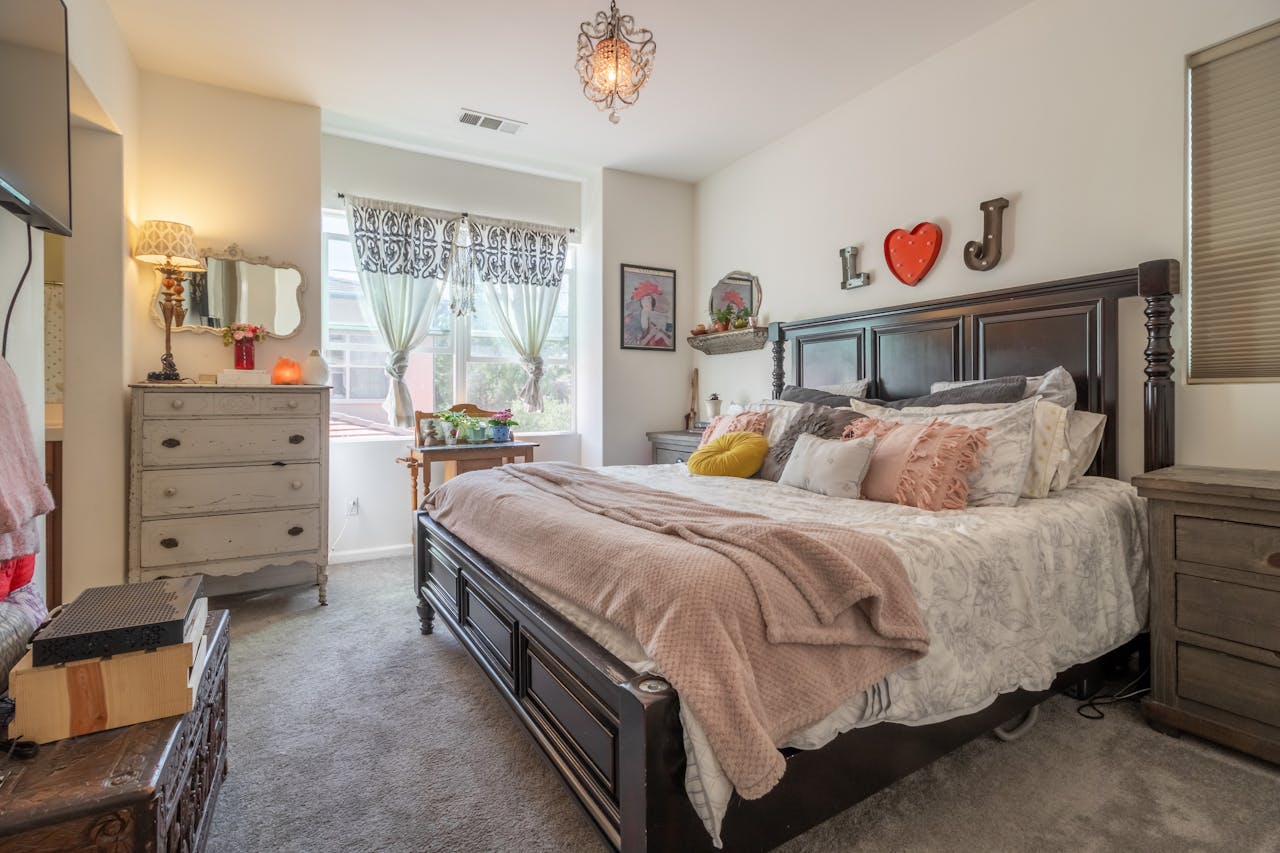
Furniture that does double duty is a small home’s best friend. Beds with drawers underneath, ottomans with hidden compartments, and sofas with lift-up seats keep clutter out of sight. This makes the living space feel clean and spacious without needing extra square meters. The magic lies in furniture that works harder than it looks. Beyond practicality, it also adds a sleek design element. Hidden storage means less visible mess, which translates into a more polished interior. It’s like having a secret helper working quietly in the background. You’ll quickly wonder how you ever managed without it.

Vertical Shelving for Height and Style

When floor space is limited, walls can carry the load. Tall shelves or cabinets take advantage of height, giving storage without stealing walking room. Open shelving also adds character while keeping essentials close. It’s a win-win for style and efficiency. The visual effect is striking. Vertical lines draw the eye upward, making ceilings seem higher. It’s a subtle trick that makes the entire home feel bigger than it is. Suddenly, even compact rooms seem to breathe more freely.

Multi-Purpose Kitchen Units

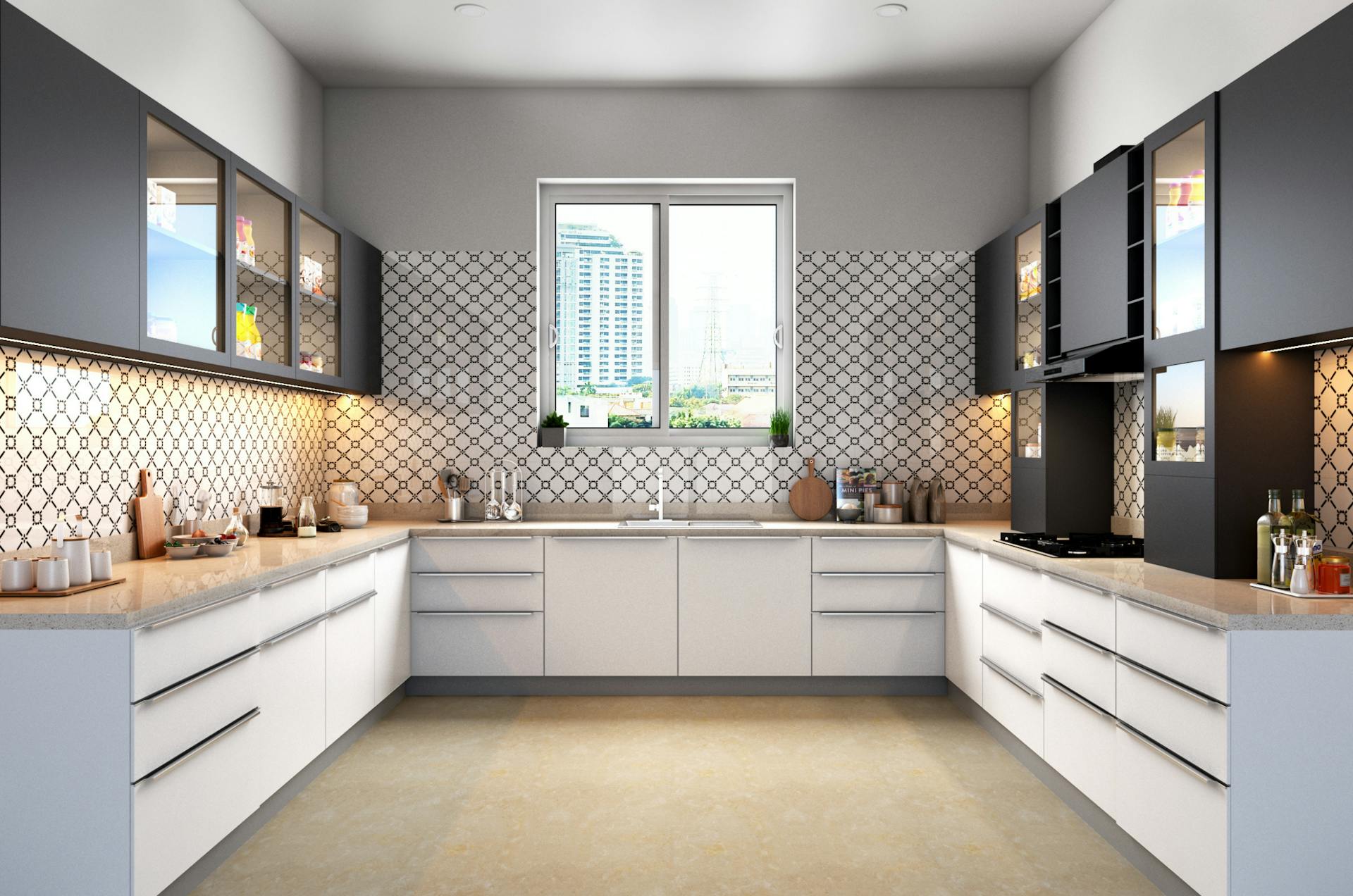
Prefab kitchens shine when built with clever storage in mind. Pull-out pantries, corner drawers, and modular racks make the most of every inch. Even compact counters can hide smart compartments underneath. Cooking in such a space feels less like a struggle and more like a joy. It’s not just about cramming things in. These designs keep daily routines simple and efficient. Cooking becomes more enjoyable when everything has its place. A tidy kitchen makes the entire home feel more inviting.

Bathroom Storage That Doesn’t Overwhelm

bathroom

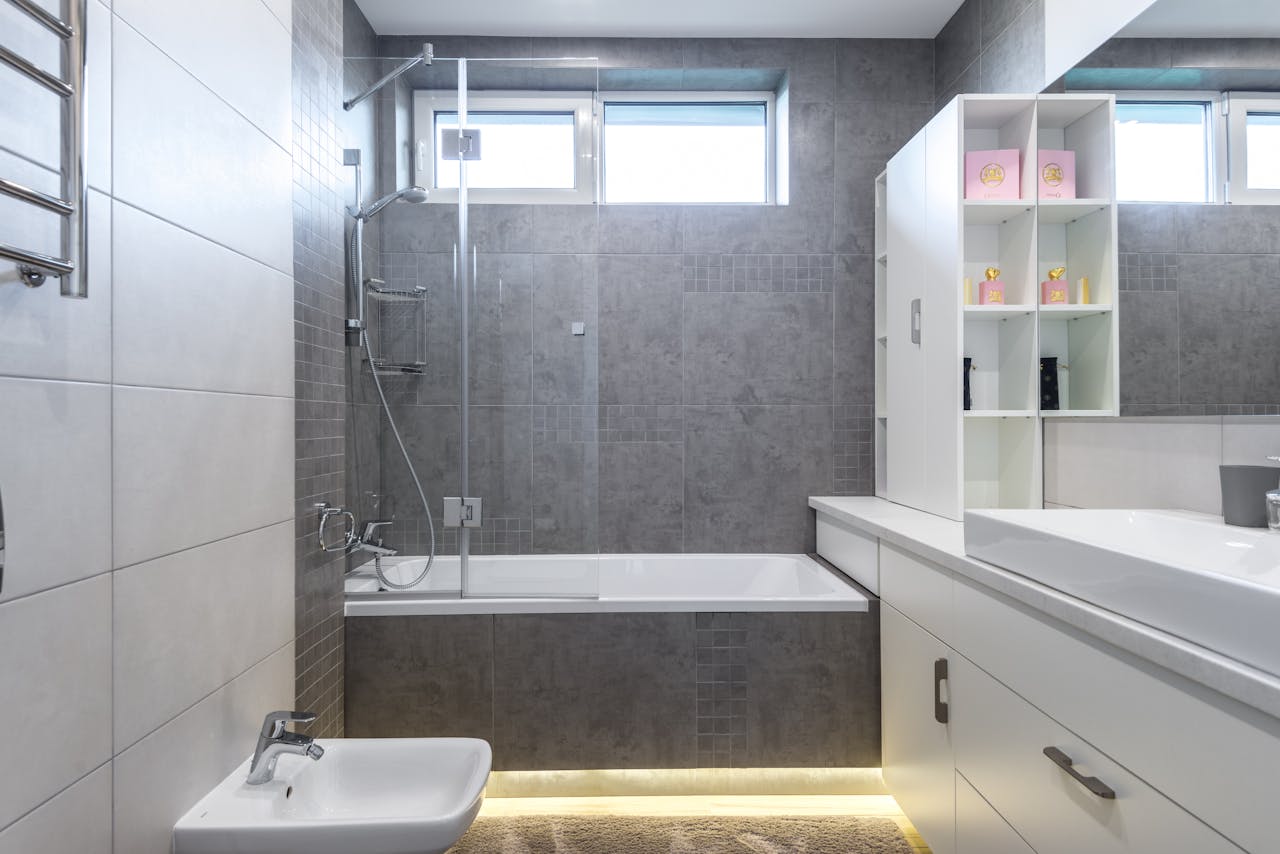
Bathrooms in prefab homes are often compact, but that doesn’t mean they lack options. Slim cabinets, mirrored medicine cupboards, and floating shelves add storage without eating into floor area. Hooks and racks can handle towels or accessories with ease. Every item has a place without stealing precious breathing room. The trick is balance. You want storage that supports function but still feels calming. Too many items in view, and even the prettiest bathroom feels crowded. Keep it clean, and the space becomes a small retreat instead of a squeeze.

Fold-Down Desks and Convertible Workspaces

Work-from-home setups can be tricky in tight spaces. Fold-down desks that disappear into the wall solve this issue beautifully. Convertible workstations turn into dining tables or shelves once the job is done. It’s like having an office that politely steps aside when you’re finished. This flexibility keeps a small prefab home feeling adaptable. Instead of cluttered corners, you get multifunctional areas that change with your needs. That’s what makes them ideal for modern living. You never feel boxed in when furniture bends to your lifestyle.

Prefab homes prove that thoughtful design is more important than sheer size. With hidden compartments, vertical storage, and flexible furniture, even compact houses can feel luxurious. Smart storage doesn’t just free up space—it also transforms how you experience your home. In the end, smart design lets you live large in the space you already have.

Carpet

Factors to Consider When Buying a New Carpet

What do you think your carpet would say if it could talk to you? Would it be happy or would you expect it to listen to a list of complaints and a disclaimer about your interior design project? Carpets always, constantly have many different stains, large and small. Memories may fade in your mind, but carpet stains never completely disappear. If you are moving, you should know what carpet you should get for your new house and the best carpet cleaner you need. Here are factors to consider when buying a new carpet for your new house.

Location

The first thing to consider is the area where you need a new rug: is it a place that is occupied? If so, make sure you decide on a rug that is durable enough to withstand all the usual foot traffic jams. Although an excellent carpet costs a little more than an ordinary one, it’s a better investment when you consider the extra years it will take to change it.

Color

When choosing the best color for your new carpet, keep these details in mind. For starters, the color of your carpet will be the determining factor of your entire home design. I mean, are you going to buy a house with a neon green carpet? Frequent colors like beige or gray give your home that neutral quality that offers many design options.

As a result, if you are planning to move in the future, think again before buying that pink carpet, even if it is affordable. A white carpet makes stains very noticeable, plus it can look dirty quickly. Unless you have three maids at home to do the cleaning, opt for a rug that’s a bit backward. A muted gray tone would be an excellent choice. An alternative is these stained carpets that easily hide spills.

Cash

Budget

Finally, how much are you willing to pay to get a new carpet? In case you are planning to move or relocate, keep the outlay of money in the reasonable range of things. Otherwise, you may overspend on something that you will eventually have to let go of. Don’t rush into buying a new rug. This is a fairly durable piece of furniture, so don’t rush into a decision. Carpet is just one of the things you need to touch to get a real feel for how it might feel in your home. Don’t make the mistake of buying because it’s convenient or without seeing the carpet.

house

The Foundation of an Energy-Efficient Home Isn’t What Most People Think

The foundation of an energy-efficient home isn’t the latest smart gadget or expensive solar upgrade but making the building itself perform better first. However, it is important to discuss different construction methods first with your chosen construction company before discussing energy-efficiency. To learn more about it, visit https://www.wissenschaft.de/erde-umwelt/was-die-forschung-ueber-den-groessten-co%E2%82%82-hebel-im-gebaeudesektor-weiss/. On the other hand, improving existing buildings can have a much greater impact than many homeowners expect. It’s a little like buying a thick winter coat before turning the heater all the way up. Fix the source of the problem first, and everything else starts working better. Here’s what most people don’t believe when it comes to an energy-efficient home.

A Strong Building Envelope Keeps Energy Where It Belongs

Think of your home’s exterior as a giant thermos. If the lid doesn’t fit properly, heat escapes no matter how powerful the heating system is. Walls, roofs, windows, and doors work together to slow unwanted heat transfer. When one part performs poorly, the entire house feels the effect. Small air leaks often create surprisingly large problems. Gaps around windows, worn weatherstripping, and cracks near doors quietly allow conditioned air to escape every day. Sealing those openings usually improves comfort faster than people expect. The furnace or air conditioner no longer has to fight a losing battle around the clock.

insulation

Insulation Does the Heavy Lifting Every Day

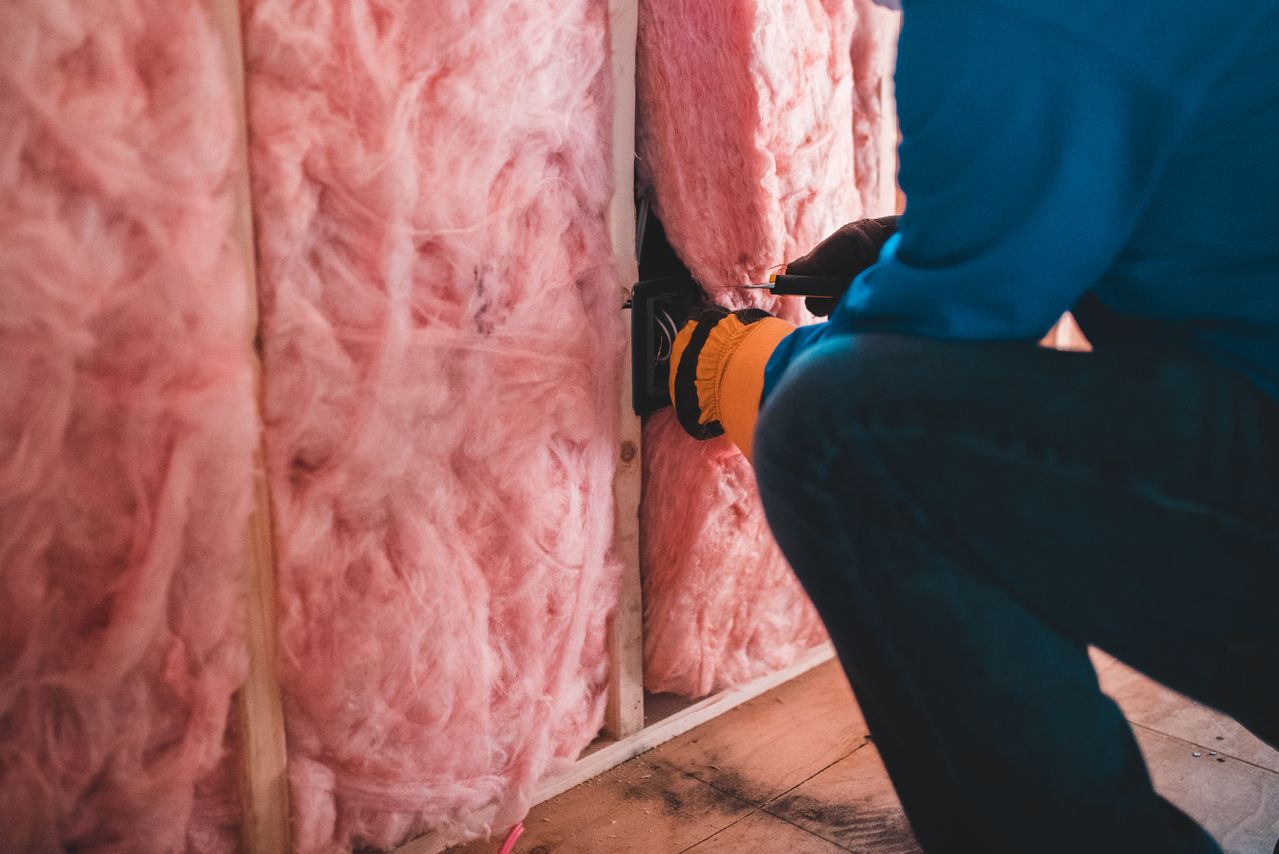
Insulation rarely earns compliments because most of it stays hidden behind walls and above ceilings. Still, it works every hour without taking a break. Good insulation helps rooms remain cooler during hot weather while holding warmth indoors when temperatures drop. That’s one reason it remains one of the smartest long-term improvements. Older houses often have insulation that falls short of today’s standards. Adding more in the attic or upgrading exterior walls can noticeably improve indoor comfort. Homeowners frequently notice fewer cold spots and more consistent temperatures between rooms. The house begins feeling balanced instead of unpredictable.

Efficient Equipment Works Best After Basic Improvements

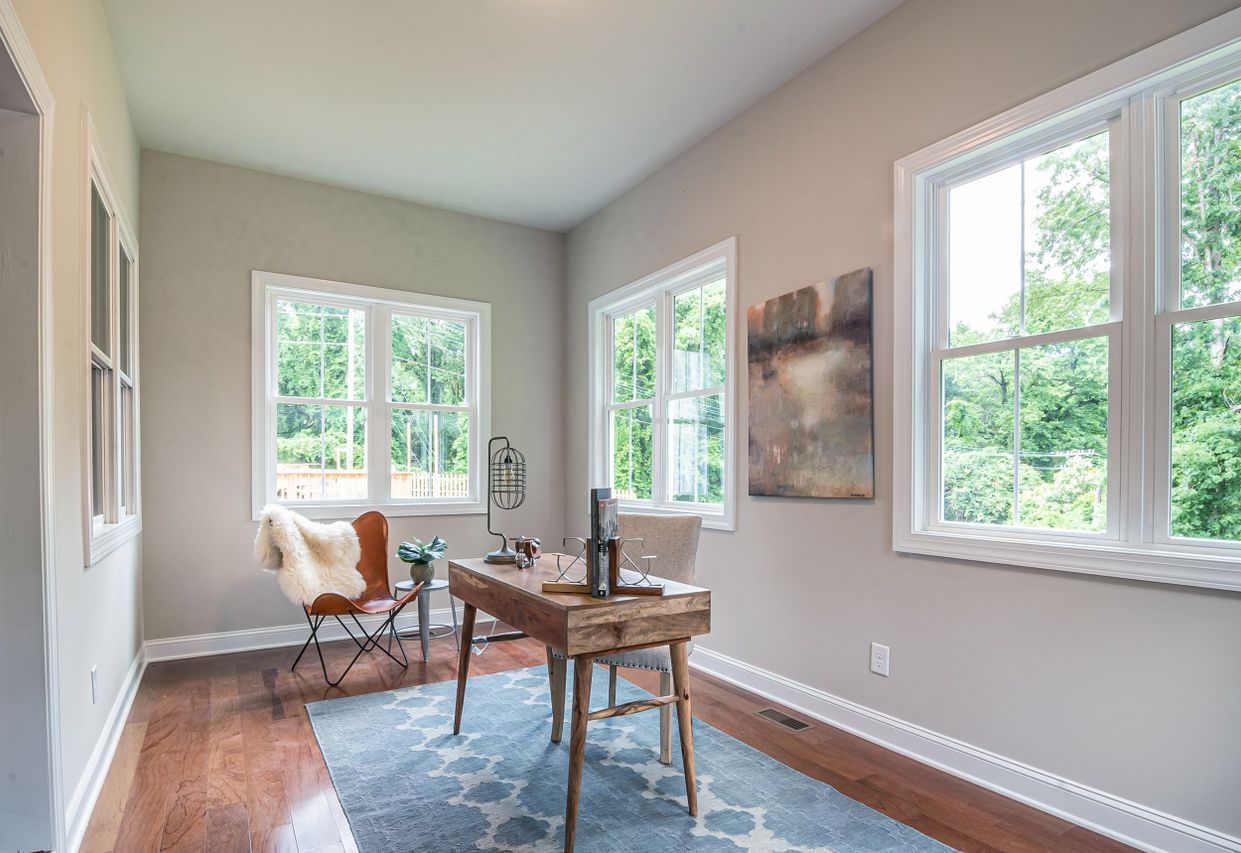
Many people replace heating or cooling equipment before addressing the home’s weak points. That’s a bit like buying stronger rowing oars for a boat with a leak. Modern systems perform much better once air leaks are sealed and insulation has been improved. They spend less time running and maintain indoor comfort more consistently. Windows deserve careful attention as well. Aging frames and broken seals allow valuable energy to slip away throughout the year. Replacing inefficient windows or repairing damaged ones supports every other efficiency upgrade. Comfort improves while outside noise often becomes less noticeable too.

Thoughtful Renovation Creates Long Term Results

Energy performance isn’t only about mechanical systems. The way a home is renovated also influences future efficiency. Preserving structurally sound buildings while improving their thermal performance often makes better use of materials already in place. That’s good for homeowners and for reducing unnecessary construction waste. Smart planning also prevents repeating expensive work later. Upgrading insulation while walls are already open, improving ventilation during remodeling, or replacing aging roofing materials at the right time saves effort in the future. Careful timing stretches every renovation dollar a little further. A well-planned project keeps paying back year after year.

windows

Lasting Efficiency Starts With the House Itself

A comfortable home doesn’t depend on one dramatic upgrade. It grows through practical improvements that work together over time. Better insulation, tighter construction, efficient windows, and dependable heating systems create lasting results because each improvement supports the next. That’s how real efficiency is built.