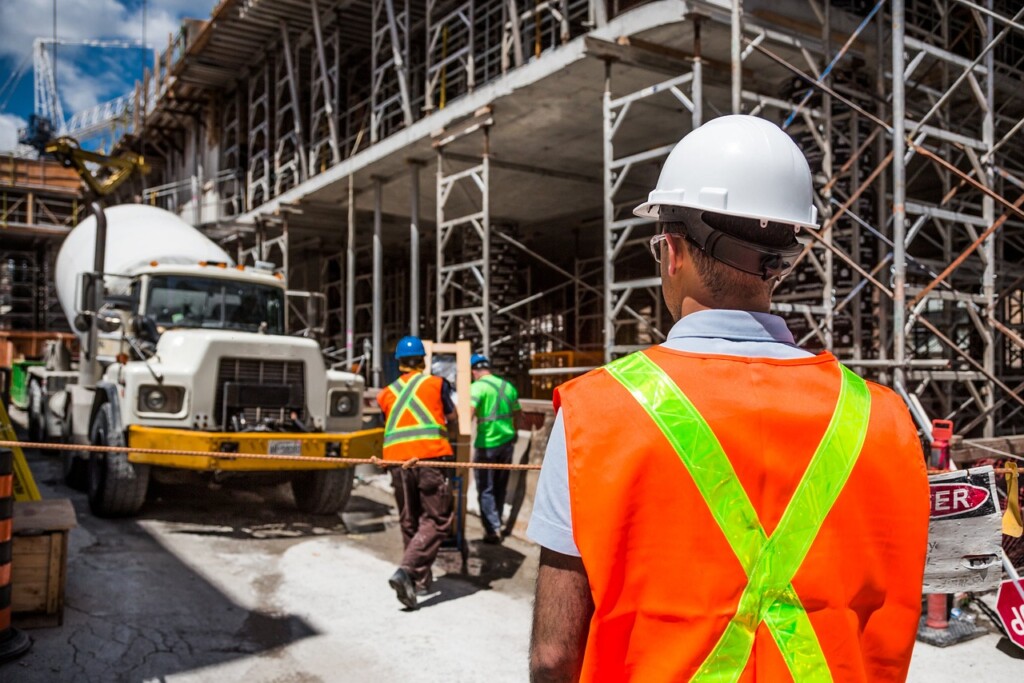
Common Mistakes to Avoid When Building a House

Building a house is an exciting journey filled with dreams, plans, and personal touches. However, beneath the thrill lies a series of challenges that can turn your dream home into a nightmare if you’re not careful. From design decisions to future resale considerations, many factors come into play during this process. Understanding common pitfalls can save you time, money, and stress down the road. Let’s explore some mistakes that homeowners often make when constructing their perfect abode, helping you navigate through this adventure with confidence and clarity.

Overlooking Design Details

When building a house, it’s easy to focus on grand plans and overlook the finer design details. However, these small elements can significantly impact both functionality and aesthetics. For instance, think about light fixtures. Choosing the right style and placement can enhance your home’s ambiance. Ignoring this may leave rooms feeling dim or unwelcoming. If you are a nature enthusiast, you should choose a home design that suits you. Biophilic design is most likely ideal for you.

Aachener Zeitung talks about this topic; if you are interested in biophilic design, you should check it out. Another detail often brushed aside is storage solutions. From closet organization to built-in shelves, these features contribute to daily convenience and help maintain an uncluttered space.

Underestimating Landscaping Needs

Landscaping often takes a backseat during the home-building process. Many people focus solely on the structure and overlook how crucial outdoor spaces can be. A well-thought-out landscape enhances curb appeal. It adds value to your property and creates an inviting atmosphere for guests. Neglecting this aspect can lead to missed opportunities down the road. Consider functionality as well. A beautiful garden or patio can serve as an extension of your living space, perfect for entertaining or relaxing. Think about practical features like drainage systems to prevent flooding, especially in areas prone to heavy rainfall.

Not Considering Resale Value

When building a house, getting caught up in personal preferences is easy. You envision your dream home and want every detail to reflect your style. However, overlooking resale value can be a costly mistake. Think about the future. Trends change quickly, and what feels perfect today might not appeal to buyers down the line. Features that are too niche or extravagant could limit your market. Consider classic designs and practical layouts that have stood the test of time.

Poor Communication with Builders

Building a house is an exciting journey, but poor communication can turn it into a nightmare. When expectations aren’t clearly defined, misunderstandings creep in. Homeowners often assume builders understand their vision without detailed discussions, leading to mismatched designs and unmet needs. It’s essential to articulate your ideas clearly from the start. Regular check-ins are crucial. Establishing a schedule for updates helps keep everyone on the same page.

Don’t hesitate to ask questions or express concerns along the way. Building a house is an exciting adventure, but it can also be fraught with challenges. You can create a space that meets your needs and stands the test of time by steering clear of common mistakes. Avoiding these pitfalls will lead to a smoother building process and ensure that your dream home becomes a reality without unnecessary setbacks or regrets. We hope that you have found this blog post helpful.
Related Post

property

Why Real Estate Is the Best Investment Choice for Long-Term Financial Security

Have you ever wondered why so many people rave about investing in real estate? It’s not just a trend or a fad; it’s a proven way to build wealth and secure your financial future. Unlike stocks or bonds, real estate gives you a tangible asset that you can touch, which can provide immediate income and grow in value over time. In this discussion, we’ll dive into why putting your money into real estate is such a smart financial move.

Potential for Appreciation

value

One of the most compelling reasons to invest in real estate, as implied at www.nib.de, is potential for property value appreciation over time. Historically, real estate has tended to increase in value, sometimes significantly. This appreciation results from various factors, that include economic growth, urban development, and inflation. As the demand for commercial spaces and housing increases, so does the value of the properties. This long-term appreciation can significantly boost an investor’s net worth, providing a substantial return on investment when the property is sold.

Passive Income Generation

Real estate investments can generate steady passive income through rental payments. By owning rental properties, investors can earn regular income without actively working, which can be especially beneficial for those seeking financial independence or supplemental retirement income. This income can cover mortgage payments, property maintenance, and other expenses, often leaving a surplus contributing to the investor’s overall financial health. The predictability and consistency of rental income make real estate an attractive investment option.

income

Diversification of Investment

Diversification is an essential principle of sound investing, and real estate provides an excellent way to diversify an investment portfolio. Most investors have a significant portion of their assets in stocks, bonds, or mutual funds. Including real estate to the mix can reduce their overall risk. Real estate often has lower correlation with other asset classes, hence its value does not necessarily match the stock market. This can hedge against market volatility and economic downturns, helping stabilize the portfolio’s performance over time.

Tax Benefits

tax

Real estate investments offer various tax benefits that can enhance an investor’s overall return. These benefits include deductions on mortgage interest, property depreciation, maintenance costs, and property taxes. Additionally, investors in real estate can take advantage of capital gains tax exemptions when they sell a property after holding it for a certain period. These tax advantages significantly reduce your tax burden, making real estate investment even more lucrative.

Investing in real estate is an intelligent financial move for several compelling reasons. The potential for value appreciation can significantly boost wealth over time, while passive income generation provides a reliable and consistent revenue stream. Diversifying an investment portfolio with real estate helps mitigate risk, and the various tax benefits can enhance overall returns. As such, real estate remains a robust and attractive choice for investors that need to secure their financial future and achieve long-term economic success.

space

Smart Storage Solutions for Small Prefab Homes

Prefab homes may be compact, but that doesn’t mean they have to feel cramped. Many owners turn to die-wg-boerse.de for ideas that blend space-saving hacks with a stylish touch. With smart storage, these homes prove that less square footage can still mean more living comfort. In smaller houses, every corner matters. Storage must be functional but also visually appealing. Luckily, prefab designs are perfect for integrating clever solutions that maximize both. These ideas prove you don’t need a mansion to feel at ease.

Built-In Furniture with Hidden Storage

bedroom

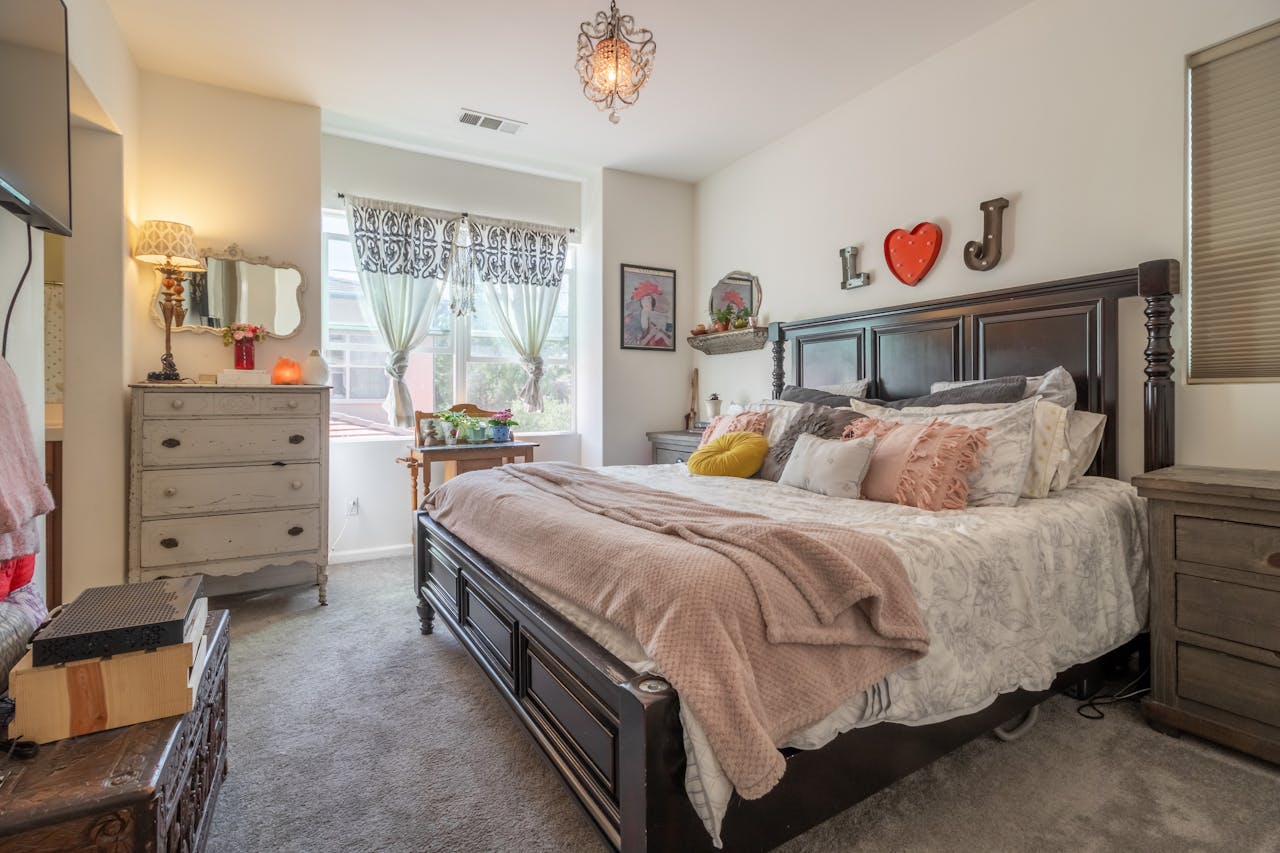
Furniture that does double duty is a small home’s best friend. Beds with drawers underneath, ottomans with hidden compartments, and sofas with lift-up seats keep clutter out of sight. This makes the living space feel clean and spacious without needing extra square meters. The magic lies in furniture that works harder than it looks. Beyond practicality, it also adds a sleek design element. Hidden storage means less visible mess, which translates into a more polished interior. It’s like having a secret helper working quietly in the background. You’ll quickly wonder how you ever managed without it.

Vertical Shelving for Height and Style

When floor space is limited, walls can carry the load. Tall shelves or cabinets take advantage of height, giving storage without stealing walking room. Open shelving also adds character while keeping essentials close. It’s a win-win for style and efficiency. The visual effect is striking. Vertical lines draw the eye upward, making ceilings seem higher. It’s a subtle trick that makes the entire home feel bigger than it is. Suddenly, even compact rooms seem to breathe more freely.

Multi-Purpose Kitchen Units

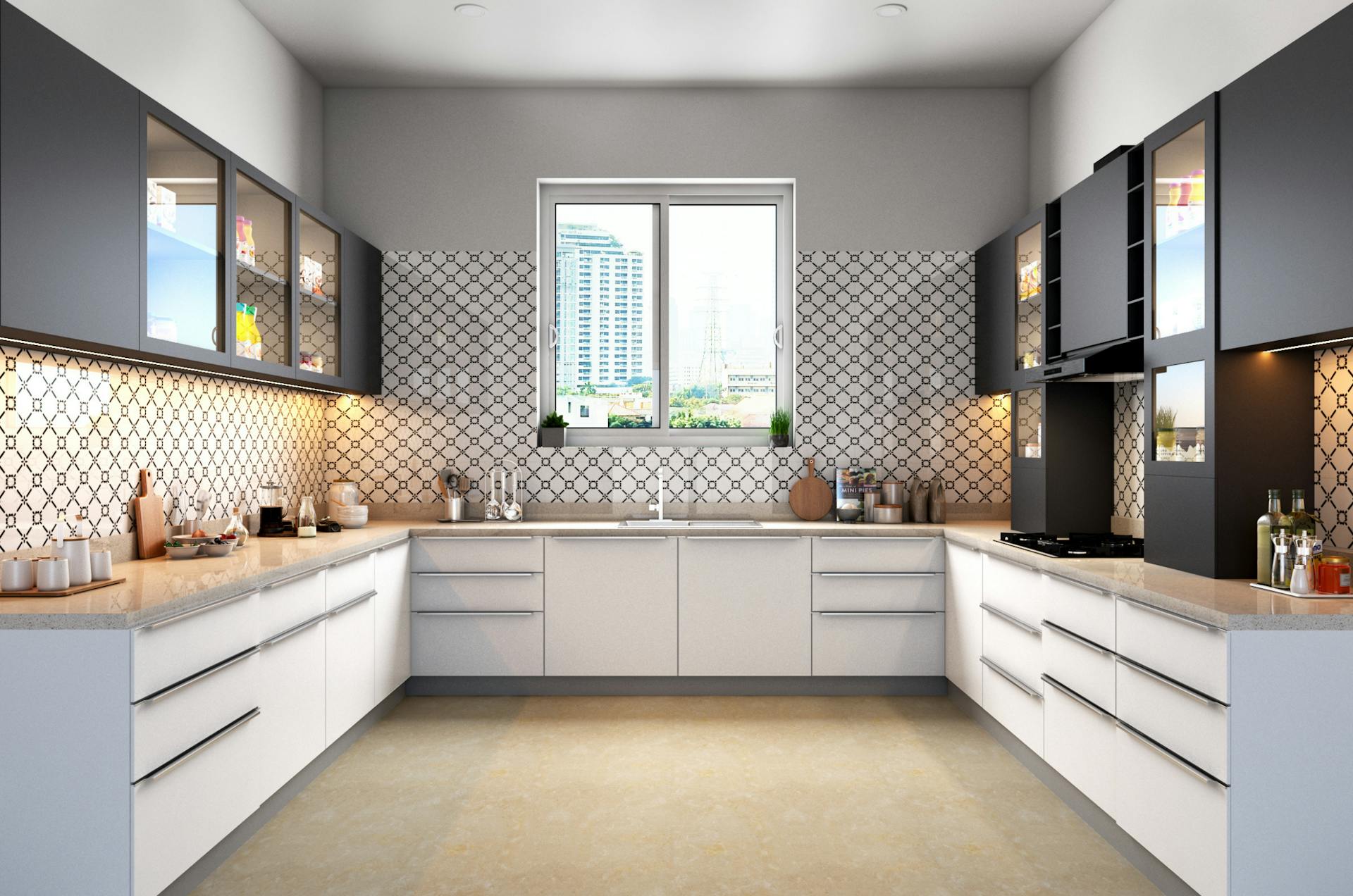
Prefab kitchens shine when built with clever storage in mind. Pull-out pantries, corner drawers, and modular racks make the most of every inch. Even compact counters can hide smart compartments underneath. Cooking in such a space feels less like a struggle and more like a joy. It’s not just about cramming things in. These designs keep daily routines simple and efficient. Cooking becomes more enjoyable when everything has its place. A tidy kitchen makes the entire home feel more inviting.

Bathroom Storage That Doesn’t Overwhelm

bathroom

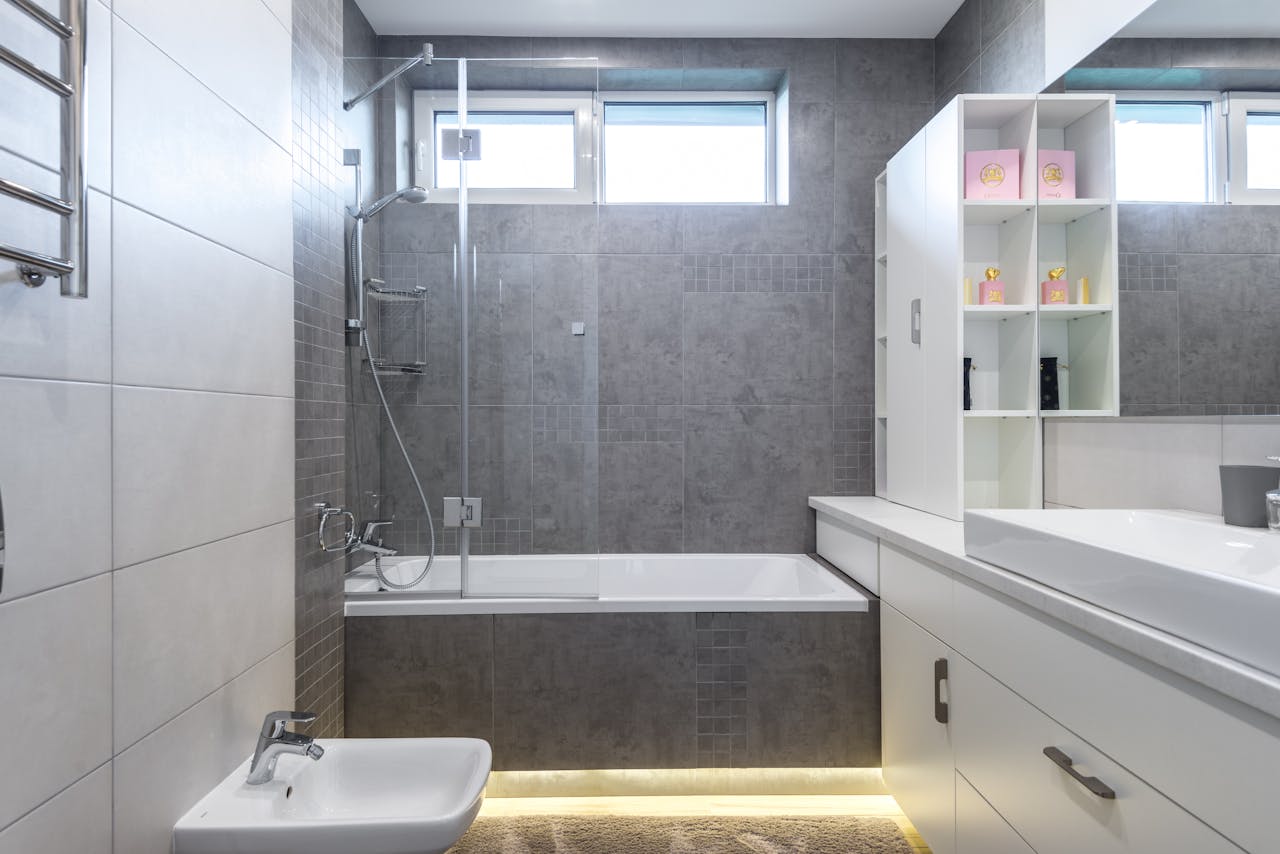
Bathrooms in prefab homes are often compact, but that doesn’t mean they lack options. Slim cabinets, mirrored medicine cupboards, and floating shelves add storage without eating into floor area. Hooks and racks can handle towels or accessories with ease. Every item has a place without stealing precious breathing room. The trick is balance. You want storage that supports function but still feels calming. Too many items in view, and even the prettiest bathroom feels crowded. Keep it clean, and the space becomes a small retreat instead of a squeeze.

Fold-Down Desks and Convertible Workspaces

Work-from-home setups can be tricky in tight spaces. Fold-down desks that disappear into the wall solve this issue beautifully. Convertible workstations turn into dining tables or shelves once the job is done. It’s like having an office that politely steps aside when you’re finished. This flexibility keeps a small prefab home feeling adaptable. Instead of cluttered corners, you get multifunctional areas that change with your needs. That’s what makes them ideal for modern living. You never feel boxed in when furniture bends to your lifestyle.

Prefab homes prove that thoughtful design is more important than sheer size. With hidden compartments, vertical storage, and flexible furniture, even compact houses can feel luxurious. Smart storage doesn’t just free up space—it also transforms how you experience your home. In the end, smart design lets you live large in the space you already have.

Interior

The Best Interior Design Tips for Your Home

Your home is your sanctuary, the place where you feel protected and want it to be as awesome as your thoughts, but you lack the interior design experience. Don’t stress. Some ideas might help seven-year-olds succeed. One of the best ideas to make it comfortable is by decorating the furniture such as add upcycling furniture. The best rotary tool for furniture upcycling may be all you need to completely transform your home. Furthermore here are some tips you need to know about tips to decor the interior design for your home.

Choose Themes and Colors

Interior DesignDecide on this theme to decorate your property. You can also display your butterfly collections in an unusual order. Your hobbies will add that personal touch to any room that many so-called designer places lack. Use a color scheme to help you choose the best colors for your home. You should use colors that you feel comfortable with; after all, it’s your home and you don’t need a fancy designer telling you that pink isn’t right. But remember: one color should dominate about 75% of a room. Don’t over-color your rooms as this can create a negative atmosphere.
Choose Your Patterns and Keep Them Simple

Depending on the colors, you can use whatever you want, but don’t overdo it. More than three patterns will lead to chaos. To accompany the butterfly theme, you can use circles and circles of flowers. Vary their size: some small, some large. Distribute them around the room and create a balance of colors and patterns. Don’t be afraid to try new elements. Keep it simple. Too much furniture makes a room heavy: the feeling of freedom disappears. An over-furnished room can be boring.

Add Proper Lighting

Interior DesignLight represents a lifestyle. You don’t want to live in a dark area. This has nothing to do with fear of the dark (maybe you’re not one of those who are afraid of the dark), but soft light is essential, especially in its usual form, because it kills germs and bacteria through its UV emissions.

Artificial lighting must be chosen carefully. There are several manufacturers that offer inexpensive bulbs. Choose LED or other commercially available bulbs. Rather, opt for a more expensive product that has a longer warranty.

Add Furniture Upcycling

Nowadays upcycling furniture becomes popular than ever. It’s because the upcycling furniture could combine your skills and creativity which makes you keep active. You just need to find the best place to add this furniture upcycling in your home. These tips won’t make you an interior designer, but they will definitely help you decorate your home tastefully and professionally.