The housing market constantly evolves as economic conditions, lifestyle preferences, and buyer priorities change. Among the groups shaping today’s residential market, first-time homebuyers have become especially influential. These buyers are entering homeownership with different financial situations, purchasing habits, and long-term expectations than previous generations. Their decisions affect not only which homes sell but also how builders, lenders, and developers respond to future demand. Reports such as berliner-kurier.de/ratgeber/darum-fluechten-jetzt-tausende-ins-brandenburger-umland-li.10071752 highlight how changing buyer behavior and migration patterns are influencing where people choose to purchase their first homes. As more people purchase their first homes, the market adjusts to meet their preferences for affordability, functionality, and location. Understanding why first-time homebuyers are changing housing market trends helps explain many of the developments currently taking place across residential real estate.
Influencing Housing Preferences
First-time homebuyers often approach homeownership differently from experienced buyers. Instead of focusing primarily on luxury features or larger properties, many prioritize practicality and long-term value. Smaller homes with efficient layouts frequently attract strong interest because they fit both lifestyle needs and financial goals. Buyers also pay closer attention to maintenance requirements, energy efficiency, and flexible living spaces. These changing preferences encourage builders to design homes that better reflect modern household expectations. Residential developments increasingly include features that appeal to buyers entering the housing market for the first time.
Encouraging Affordable Development

Affordability remains one of the biggest concerns for many first-time buyers. Rising home prices and increasing ownership costs have encouraged greater demand for reasonably priced housing options. Developers respond by creating communities with a wider range of home sizes and price points. Townhomes, compact single-family houses, and mixed residential developments have become more common in many areas. These projects help provide additional opportunities for buyers with limited purchasing budgets. Growing interest in affordable housing continues influencing construction priorities while expanding the variety of homes available in today’s market.
Supporting Different Location Choices
Location continues to play an important role in homebuying decisions. However, first-time buyers often evaluate communities using different criteria than previous generations. Many buyers balance commuting distance with affordability, neighborhood amenities, and future growth potential. Walkable communities, convenient public transportation, and nearby shopping or recreation frequently influence purchasing decisions. Some buyers also consider suburban areas that offer additional space while remaining connected to employment centers. These changing location preferences encourage residential development across a wider range of communities rather than concentrating growth in only a few urban neighborhoods.
Adapting to Financial Priorities
Financial planning has become a central part of the homebuying process. First-time buyers often spend considerable time evaluating mortgage payments, maintenance expenses, insurance costs, and future household budgets. Rather than purchasing the largest home possible, many buyers seek properties that allow greater financial stability over time. This careful approach influences demand for homes with lower operating costs, manageable maintenance, and energy-efficient features. Builders and sellers increasingly recognize that long-term affordability matters alongside purchase price. Financial priorities continue shaping how homes are designed, marketed, and priced.
Driving Digital Home Searches

Technology has transformed the way people search for homes. First-time buyers frequently begin the process by researching neighborhoods, comparing properties, and reviewing financing information online. Virtual tours, digital floor plans, online mortgage calculators, and neighborhood data have become valuable resources during the buying journey. Buyers often arrive at property showings with extensive knowledge gathered through digital research. Real estate professionals and developers continue investing in technology because online tools now play an important role in attracting today’s buyers. Digital engagement has become an important part of the modern housing market.
Shaping Long-Term Market Growth
Every generation of first-time homebuyers contributes to the future direction of residential real estate. As their preferences evolve, builders and communities gradually adapt to meet changing demand. Housing developments increasingly reflect practical design, energy efficiency, flexible living arrangements, and balanced community planning. These adjustments help create neighborhoods that better serve both current residents and future homeowners. First-time buyers therefore influence not only today’s transactions but also the long-term direction of residential construction and community development. Their purchasing decisions help guide future investment throughout the housing industry.
First-time homebuyers are changing housing market trends by influencing housing preferences, encouraging affordable development, supporting different location choices, adapting financial priorities, driving digital home searches, and shaping long-term market growth. Their purchasing decisions affect how homes are built, marketed, and valued across many residential communities. Understanding why first-time homebuyers are changing housing market trends demonstrates that the future of real estate depends on more than economic conditions alone. Buyer expectations continue evolving alongside technology, lifestyle changes, and financial planning. As builders, developers, and communities respond to these new priorities, the housing market will continue adapting to better serve the next generation of homeowners.


 Decide on this theme to decorate your property. You can also display your butterfly collections in an unusual order. Your hobbies will add that personal touch to any room that many so-called designer places lack. Use a color scheme to help you choose the best colors for your home. You should use colors that you feel comfortable with; after all, it’s your home and you don’t need a fancy designer telling you that pink isn’t right. But remember: one color should dominate about 75% of a room. Don’t over-color your rooms as this can create a negative atmosphere.
 Light represents a lifestyle. You don’t want to live in a dark area. This has nothing to do with fear of the dark (maybe you’re not one of those who are afraid of the dark), but soft light is essential, especially in its usual form, because it kills germs and bacteria through its UV emissions.
 Perched on the edge of a beautiful cliff overlooking the sparkling azure waters below, infinity pools with panoramic views are undoubtedly one of the most sought-after features in architectural homes. These pools effortlessly merge with their surroundings, creating an illusion of endless water stretching out into the horizon. Imagine taking a leisurely swim while enjoying breathtaking sunsets or sipping cocktails by the poolside as you watch yachts glide across the glistening sea.
 Transforming the movie-watching experience, private home theaters take luxury living designed by professional architects to a whole new level. These opulent spaces are designed with state-of-the-art audiovisual technology and luxurious seating arrangements that rival the grandeur of traditional cinema halls. Imagine stepping into your very own theater, complete with plush leather recliners, dimmed lights, and surround sound speakers strategically placed for an immersive audio experience.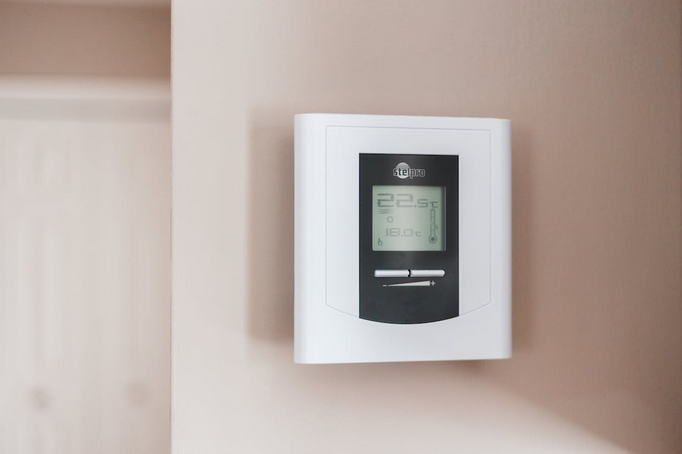
 What makes it really smart and easy to use is that it can be integrated with numerous other devices. This way, you can fully control your home’s temperature even when you’re not there. The best part is that it’s compatible with Amazon Alexa, Google Home, and Nest products. So if you have any of these devices, you can easily control the temperature in your home with just a few voice commands.