Tips for Choosing the Right Plants for Your Backyard

Designing a beautiful and functional backyard starts with choosing the right plants, a step many homeowners often overlook. The selection of plants directly affects the overall backyard design, long-term maintenance, and aesthetic appeal. Consulting a professional specializing in backyard design can provide valuable guidance, helping you choose plants that thrive in your specific soil, climate, and sunlight conditions. Considering factors such as water needs, growth patterns, and seasonal changes ensures a healthy, low-maintenance garden. Thoughtful combinations of colors, textures, and heights create visual interest, support biodiversity, and enhance the usability of your space. By planning carefully, you can craft an inviting backyard enjoyable for gatherings, relaxation, and outdoor activities throughout the year.

Assess Sunlight and Shade Conditions

One of the first steps in selecting backyard plants is analysing how sunlight interacts with your space throughout the day. Some plants require full sun for at least six hours, while others thrive in partial shade or full shade. Mapping out sunny and shaded areas allows you to place each plant where it can perform optimally, reducing stress and promoting healthy growth. Additionally, consider seasonal variations in sunlight. Trees or structures may cast shadows at different times of the year, which can affect plant health. Paying attention to these details prevents premature wilting and keeps your garden vibrant year-round.

Consider Soil Quality and Drainage

Different plants have varying soil preferences, including pH levels, nutrient content, and texture. Before planting, test your soil to understand its composition. Some plants, like succulents, prefer sandy, well-draining soils, while others, such as ferns, thrive in nutrient-rich, moisture-retentive soil. If your soil lacks the essential nutrients or has poor drainage, improving it with organic matter or installing raised beds may be necessary. Proper soil preparation helps prevent root rot, nutrient deficiencies, and uneven growth, creating a strong foundation for a thriving backyard garden.

Choose Plants Suitable for Your Climate
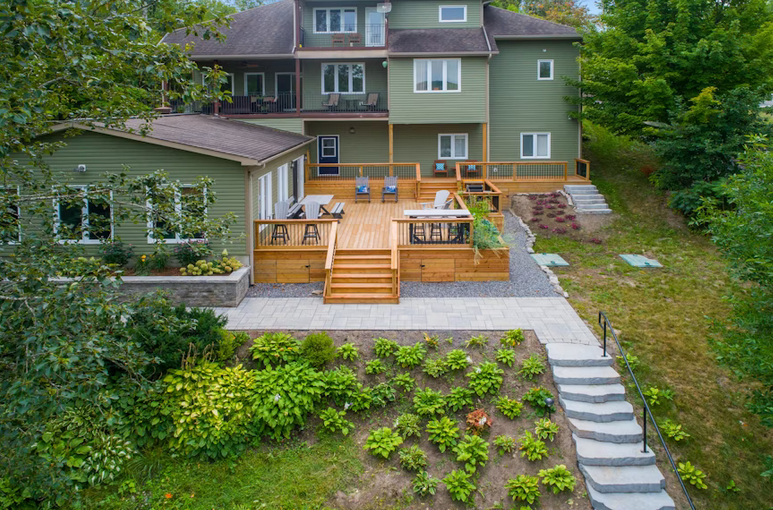
green backyard

Climate is crital in plant selection. Plants that are not adapted to your region’s temperature ranges, rainfall patterns, and humidity levels are unlikely to thrive. Consult local resources or professional landscapers to identify native or climate-appropriate plants. Native plants usually need less water and maintenance, resist pests, and provide habitat for local wildlife. By selecting vegetation that thrive in your climate, you reduce the risk of plant stress, lower water usage, and create a sustainable garden environment that can flourish year after year.

Balance Size, Growth Rate, and Maintenance

When selecting plants, consider their mature size, growth rate, and maintenance requirements. Some plants grow quickly and may require frequent pruning, while others grow slowly and need minimal attention. Understanding how large plants will become helps prevent overcrowding and maintains a balanced appearance. Additionally, incorporating a mix of low-maintenance plants can reduce long-term workload, making your backyard enjoyable rather than burdensome. Think about how the plants will interact with pathways, outdoor furniture, and other structures to maintain a functional and aesthetically pleasing space.

Incorporate Diversity and Visual Interest

A well-designed backyard incorporates a variety of plant types to create texture, color, and seasonal interest. Combining shrubs, flowering plants, grasses, and ground covers can add depth and dimension, preventing a monotonous appearance. Selecting plants with staggered blooming periods ensures continuous color throughout the seasons. Furthermore, integrating edible plants or pollinator-friendly flowers can enhance the backyard’s usability and environmental contribution. Thoughtful combinations make the space stimulating visually and creates a more welcoming environment for both residents and visitors.

Selecting the best plants for your backyard is crucial for creating a vibrant, functional, and sustainable outdoor space. By assessing sunlight and shade conditions, understanding soil quality and drainage, choosing climate-appropriate plants, considering size and maintenance, and incorporating diversity and visual interest, you can establish a garden that thrives for years. Thoughtful plant selection minimizes maintenance challenges, supports a balanced ecosystem, and enhances your home’s aesthetic appeal.

Related Post

house

The Foundation of an Energy-Efficient Home Isn’t What Most People Think

The foundation of an energy-efficient home isn’t the latest smart gadget or expensive solar upgrade but making the building itself perform better first. However, it is important to discuss different construction methods first with your chosen construction company before discussing energy-efficiency. To learn more about it, visit https://www.wissenschaft.de/erde-umwelt/was-die-forschung-ueber-den-groessten-co%E2%82%82-hebel-im-gebaeudesektor-weiss/. On the other hand, improving existing buildings can have a much greater impact than many homeowners expect. It’s a little like buying a thick winter coat before turning the heater all the way up. Fix the source of the problem first, and everything else starts working better. Here’s what most people don’t believe when it comes to an energy-efficient home.

A Strong Building Envelope Keeps Energy Where It Belongs

Think of your home’s exterior as a giant thermos. If the lid doesn’t fit properly, heat escapes no matter how powerful the heating system is. Walls, roofs, windows, and doors work together to slow unwanted heat transfer. When one part performs poorly, the entire house feels the effect. Small air leaks often create surprisingly large problems. Gaps around windows, worn weatherstripping, and cracks near doors quietly allow conditioned air to escape every day. Sealing those openings usually improves comfort faster than people expect. The furnace or air conditioner no longer has to fight a losing battle around the clock.

insulation

Insulation Does the Heavy Lifting Every Day

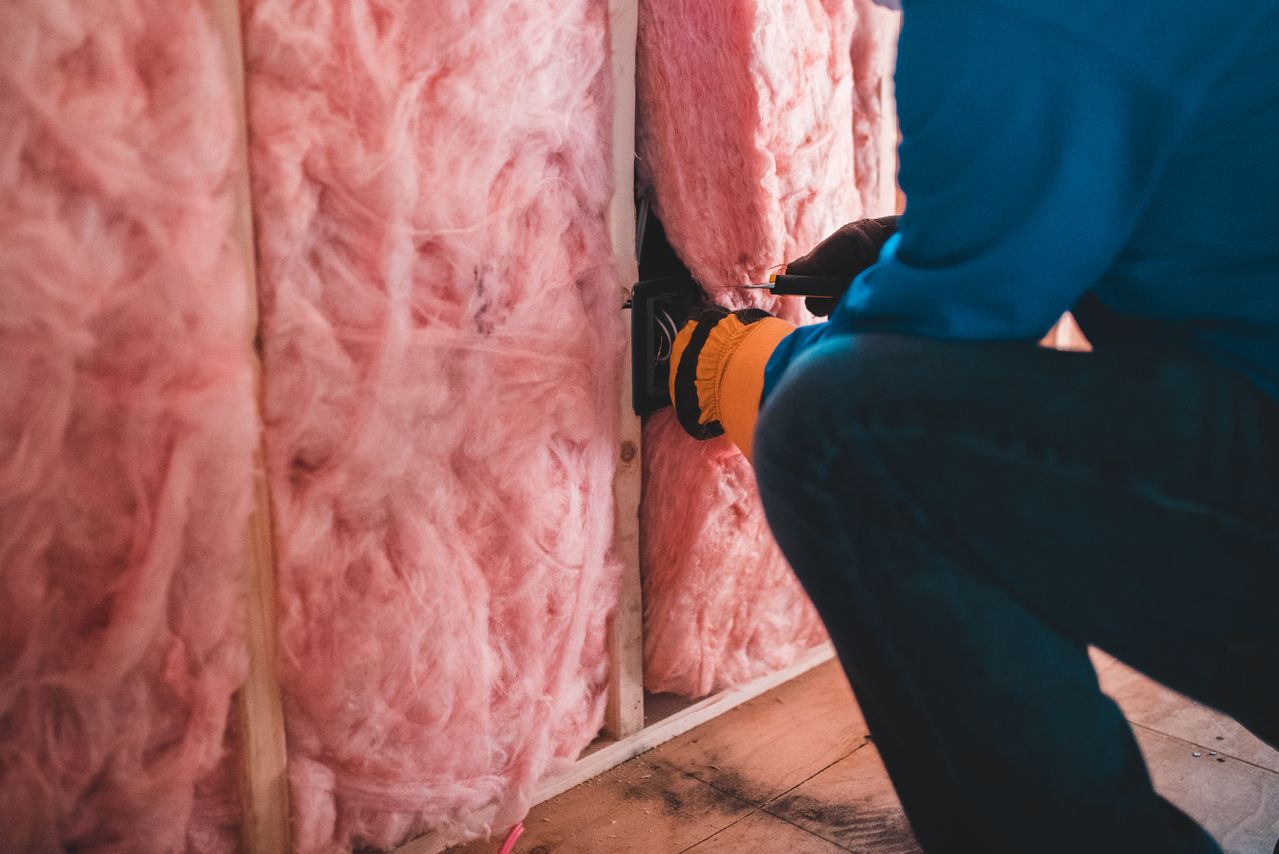
Insulation rarely earns compliments because most of it stays hidden behind walls and above ceilings. Still, it works every hour without taking a break. Good insulation helps rooms remain cooler during hot weather while holding warmth indoors when temperatures drop. That’s one reason it remains one of the smartest long-term improvements. Older houses often have insulation that falls short of today’s standards. Adding more in the attic or upgrading exterior walls can noticeably improve indoor comfort. Homeowners frequently notice fewer cold spots and more consistent temperatures between rooms. The house begins feeling balanced instead of unpredictable.

Efficient Equipment Works Best After Basic Improvements

Many people replace heating or cooling equipment before addressing the home’s weak points. That’s a bit like buying stronger rowing oars for a boat with a leak. Modern systems perform much better once air leaks are sealed and insulation has been improved. They spend less time running and maintain indoor comfort more consistently. Windows deserve careful attention as well. Aging frames and broken seals allow valuable energy to slip away throughout the year. Replacing inefficient windows or repairing damaged ones supports every other efficiency upgrade. Comfort improves while outside noise often becomes less noticeable too.

Thoughtful Renovation Creates Long Term Results

Energy performance isn’t only about mechanical systems. The way a home is renovated also influences future efficiency. Preserving structurally sound buildings while improving their thermal performance often makes better use of materials already in place. That’s good for homeowners and for reducing unnecessary construction waste. Smart planning also prevents repeating expensive work later. Upgrading insulation while walls are already open, improving ventilation during remodeling, or replacing aging roofing materials at the right time saves effort in the future. Careful timing stretches every renovation dollar a little further. A well-planned project keeps paying back year after year.

windows

Lasting Efficiency Starts With the House Itself

A comfortable home doesn’t depend on one dramatic upgrade. It grows through practical improvements that work together over time. Better insulation, tighter construction, efficient windows, and dependable heating systems create lasting results because each improvement supports the next. That’s how real efficiency is built.

Quick Mold Removal Tips

Simple Steps to Remove Mold Quickly

Mold can appear in a home for several reasons. Bathrooms and bedrooms are often damp areas where mold appears. Health problems, such as respiratory issues, infectious skin lesions, and allergic reactions, can begin to affect individuals in a home infested with mold and mildew. Therefore, you should clean your walls, ceilings, and other parts of your home to remove any mold. There are four main steps to remove mold quickly.

Quick Mold Removal Tips

Find the Spots and Evacuate All Furniture from the Area

The first thing you need to do is find the molds’ spot and see how many are already there. Then, it would help if you acted quickly to prevent the infestation from growing. Sometimes it can be seen in green, black or white but sometimes you can smell it. To locate hidden spots as well, use a mold detection kit available at local home improvement stores. Next, when you begin removing popcorn ceilings, be sure to remove all furniture from the room. The last thing you need is for paint (and possibly asbestos) to get on your furniture.

Clean the Mold With a Bleach and Borax Mixture

Quick Mold Removal TipsAfter you remove any furniture from the work area, you need to peel the plastic off each wall and then roll the edges up when you get to the door. From the moment you get to the door, you will need to have a large piece of plastic along with a clean area. After that, you can destroy the actual mold. It is essential to get rid of it as soon as possible, but be sure to use protective gloves and face protection such as a mask. It’s worth mentioning that you should not touch the mold or try to cover up the mold by painting the affected areas, as the spores will likely continue to multiply.
Get Rid of the Eradicated Spots

It would be best if you cleaned the newly eradicated areas. To do so, you should cut away any wet, contaminated wood or plaster to completely remove the mold. If you have left grooves in the drywall due to scraping, use a sponge to sand the area lightly. You can then apply some stucco (also called drywall mud or drywall putty) to the damaged areas and then smooth it out with a trowel. You should take a look at your ceiling and then cover any uneven areas, such as nail heads or tiles, that may need an additional layer of sand. If you’re using a cold, textured surface, such as stippling or knockdown, this sanding step can be skipped.

Do Preventive Tips

After you finished clean the walls or ceiling that had been infected by molds, you should do some preventive tips. First, you need to find the source and fix it so it is no longer a problem. Be proactive to protect the area from potential problems. Broken or loose pipes should be repaired or replaced, a leaky roof should be waterproofed, and all cracks and crevices should be sealed. If you live in a very humid area, you may need to invest in a humidifier to remove moisture from your environment. If you have a mold problem that seems quite extensive, it can be an excellent idea to have an expert specializing in these issues look into the hypotheticals. A professional will know the many best practices for eradication and elimination.

themrostat

Little-Known Perks of Installing a Smart Thermostat in Your Home

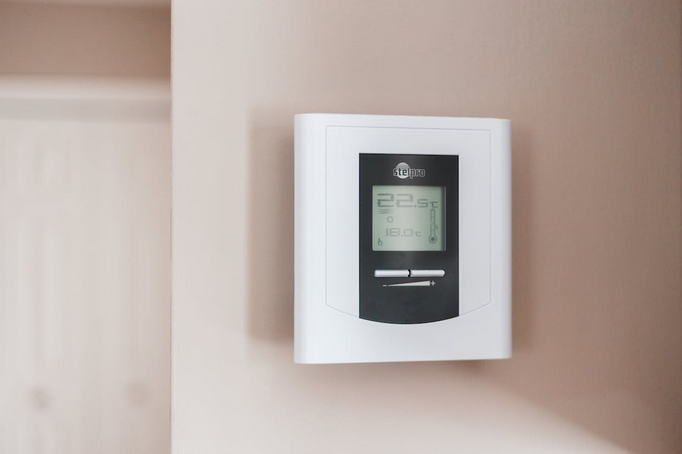
When was the last time you upgraded your thermostat? If it’s been a while, you may be surprised to learn about the benefits of installing a smart thermostat in your home. Smart thermostats can help you save money on your energy bills, make your home more comfortable, and even improve your health. In fact, you can also prolong your HVAC system, and you may not need to hire the best Las Vegas AC Repair every month. But the list doesn’t stop there. Keep reading, and you’ll learn more about the benefits of having a programmable thermostat in your home that many people don’t know about.

Temperature Setting Automation Based on Your Daily Routine

One of the best things about smart thermostats is that they can adjust the temperature automatically by analyzing your daily routine. This means you’ll never have to worry about returning to a hot or cold house again. You can also set different temperatures for different times of the day so you’re not wasting energy when you’re not home. In fact, the smart programming feature can save you up to 30% on your energy bill. If you have a family, you know how hectic life can be. Smart thermostats make it easy to keep everyone comfortable by automatically setting the right temperature for your family.

Easier Monitor and Settings Adjustment

The smart thermostat allows you to monitor and adjust the settings from anywhere. This is perfect for when you’re away from home and realize that you forgot to adjust the temperature. You can also use the smart thermostat to create a schedule for your family while you’re away. So, whether at work or on vacation, you can rest assured that your family is comfortable at home.

Easy Integration and Compatibility With Other Devices

smart controlWhat makes it really smart and easy to use is that it can be integrated with numerous other devices. This way, you can fully control your home’s temperature even when you’re not there. The best part is that it’s compatible with Amazon Alexa, Google Home, and Nest products. So if you have any of these devices, you can easily control the temperature in your home with just a few voice commands.

Reduced Carbon Footprint

Did you know you can help reduce your carbon footprint using a smart thermostat? Many HVAC units use a lot of energy, which can release harmful emissions into the environment. But with a smart thermostat, you can help reduce your carbon footprint by up to 20%. It is because smart thermostats are designed to be more efficient than traditional HVAC units. So you’ll get both reduced energy bills and your action to help the environment.

As you can see, with the many benefits of a smart thermostat, it’s always a good idea to switch to this type of thermostat. In fact, if you’re looking for a way to cut off your excessive monthly expense, save the environment, and live a more comfortable life, a smart thermostat is truly the best solution. Just keep in mind to buy one compatible with your devices and home so you can enjoy all the benefits it offers.