Sep
27
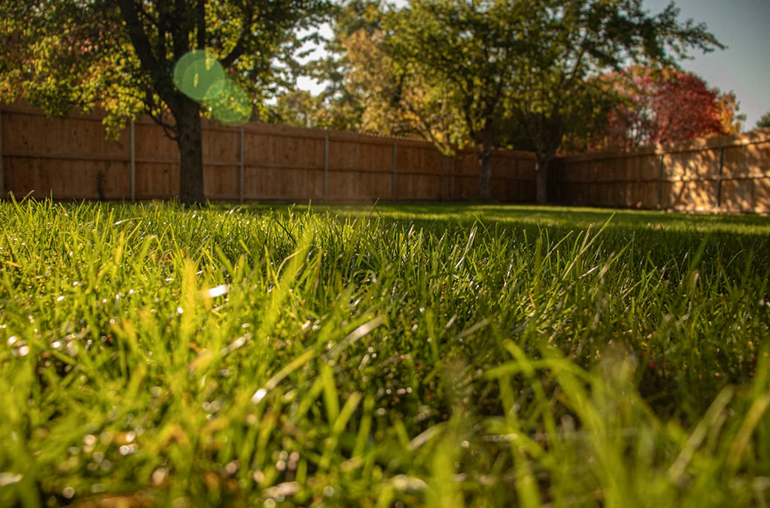
Designing a beautiful and functional backyard starts with choosing the right plants, a step many homeowners often overlook. The selection of plants directly affects the overall backyard design, long-term maintenance, and aesthetic appeal. Consulting a professional specializing in backyard design can provide valuable guidance, helping you choose plants that thrive in your specific soil, climate, and sunlight conditions. Considering factors such as water needs, growth patterns, and seasonal changes ensures a healthy, low-maintenance garden. Thoughtful combinations of colors, textures, and heights create visual interest, support biodiversity, and enhance the usability of your space. By planning carefully, you can craft an inviting backyard enjoyable for gatherings, relaxation, and outdoor activities throughout the year.
Assess Sunlight and Shade Conditions
One of the first steps in selecting backyard plants is analysing how sunlight interacts with your space throughout the day. Some plants require full sun for at least six hours, while others thrive in partial shade or full shade. Mapping out sunny and shaded areas allows you to place each plant where it can perform optimally, reducing stress and promoting healthy growth. Additionally, consider seasonal variations in sunlight. Trees or structures may cast shadows at different times of the year, which can affect plant health. Paying attention to these details prevents premature wilting and keeps your garden vibrant year-round.
Consider Soil Quality and Drainage
Different plants have varying soil preferences, including pH levels, nutrient content, and texture. Before planting, test your soil to understand its composition. Some plants, like succulents, prefer sandy, well-draining soils, while others, such as ferns, thrive in nutrient-rich, moisture-retentive soil. If your soil lacks the essential nutrients or has poor drainage, improving it with organic matter or installing raised beds may be necessary. Proper soil preparation helps prevent root rot, nutrient deficiencies, and uneven growth, creating a strong foundation …