Not Your Neighbor’s Driveway: Why Custom Pavers Are the New Standard in Home Design

Let’s be honest—when you think about making home upgrades, your driveway probably isn’t the first thing that comes to mind. But lately, that’s changing. Homeowners everywhere are realizing that the driveway is more than just a parking spot—it’s the front door’s unofficial opening act. Custom pavers are stepping in to transform plain, forgettable driveways into stylish, functional centerpieces that elevate a home’s entire exterior. Whether you’re aiming to boost curb appeal, increase resale value, or just want something that doesn’t crack every winter, custom pavers are quickly becoming the go-to solution.

The Design Difference

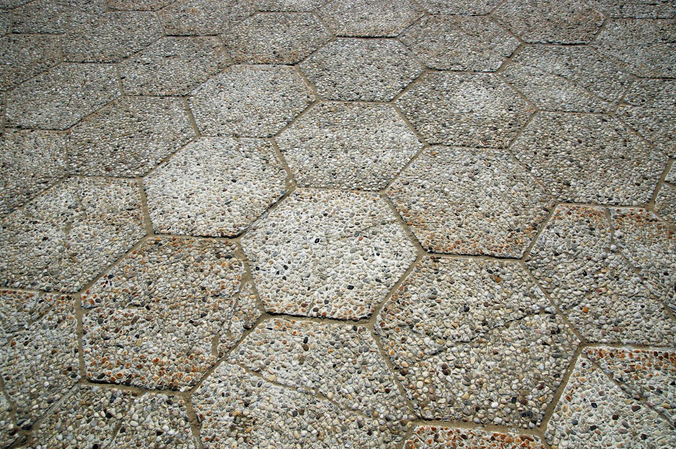
In a neighborhood full of standard concrete slabs, a custom paver driveway is a bold statement. It’s your chance to break free from cookie-cutter designs and give your home a look that’s uniquely yours. With options ranging from natural stone to modern geometric patterns, you can create a layout that complements your house style, landscaping, and personal taste. Pavers also come in a variety of colors, textures, and finishes—so your driveway can be as warm and inviting as the rest of your home. Think of it as a design meeting, durability in the most practical place possible.

More Than Just a Surface
surface

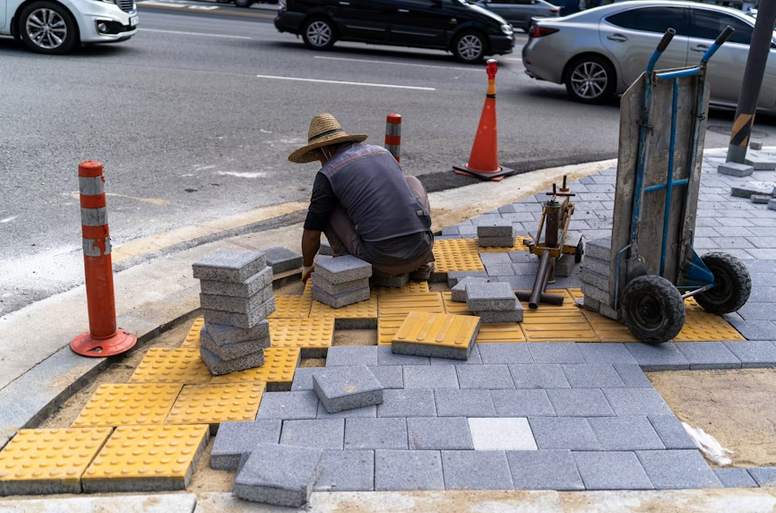
It’s easy to overlook the value of hardscaping—until you see the difference it makes. Custom pavers don’t just beautify your driveway; they enhance the whole outdoor living experience. Hardscape renovations, generally done by adding textures, patterns, and pavers, often prove effective to create a cohesive, intentional exterior. Unlike concrete or asphalt, pavers can tie into your existing outdoor features for a polished look that feels thoughtfully designed, not just functional. It’s a high-impact upgrade that adds both style and substance.

Durability That Handles Real Life

Driveways take a beating—weather, weight, oil stains, and constant foot and car traffic. One major reason homeowners are switching to custom pavers is durability. Unlike poured concrete, which can crack with shifting ground or freeze-thaw cycles, pavers are individual pieces that flex slightly with movement, making them less prone to damage. If one paver does get stained or chipped, you can replace it without tearing up the whole driveway. That kind of long-term reliability saves money—and headaches—down the road.

Low Maintenance, High Reward
maintenance

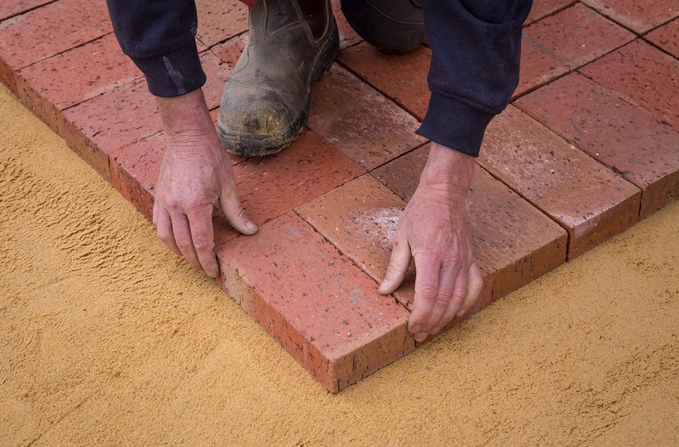
If you’re picturing your weekends spent pressure-washing or sealing your driveway, think again. Custom pavers are surprisingly low-maintenance. Most require only occasional sweeping, rinsing, and weed control in the joints. With proper installation and sealing, pavers resist staining and stay vibrant for years. Plus, because they’re modular, repairs are simple and localized—not the “tear it all up and start over” ordeal that comes with concrete or asphalt. For homeowners looking for beauty without constant upkeep, pavers hit the sweet spot.

A Boost in Value (and Bragging Rights)

While it’s tempting to think of custom pavers as just a cosmetic upgrade, they also offer a solid return on investment. A well-designed driveway made of high-quality pavers can boost your home’s curb appeal and resale value. Buyers notice details, and a beautiful driveway can create a strong first impression that sets your property apart. Even if you’re not selling anytime soon, there’s a certain satisfaction in knowing your home stands out for the right reasons—and that your neighbor’s driveway just doesn’t compare.

Your driveway doesn’t have to be the most boring part of your home’s exterior. With custom pavers, it can become one of the most eye-catching. From unique design options and long-lasting materials to added property value and easier maintenance, pavers are redefining what driveways can be. If you’re considering a home upgrade that combines form, function, and flair, this might be the perfect place to start. After all, your driveway should say something about your home—and with custom pavers, it says a lot.
Related Post

Home

Tips for Home Roofing Replacement

People who are interested in looking for home removal replacement should know about roofing contractors. These contractors are the best to experience roofing problems. Considering that roofs always protect us from various elements like sun rays, rain, and numerous different things, it becomes the homeowner’s responsibility to keep the questions to ask your roofer for the best shape. 

Roof Replacement

Roof If you are thinking of repairing your roof or replacing it completely, you should first seek the experts’ advice. Inspect your roof, and if your roof is not in good condition, the experts will ask you to replace it before any damage is done. Almost all experts point out that replacement, when they have a chance to save the old structure, is impossible. Because the work can be costly, you need to go with the roofing contractor about this building’s full cost. 
Usually, you need to be prepared for an average price of $5000 to finish the job. Few agencies could be tame with the expenses, so don’t neglect to pay for the construction. In case you have a home warranty, you should ask the roofing company to help you pay for the roofing project. Renovation is usually less expensive than replacement. However, this is to be expected, especially on older roofs. 

Small defects, such as leaks in the floor and field hockey jumps on the edge, can be fixed by anyone. However, it’s better to hire the builder to do the roof than to do it yourself, as this can have damaging consequences. If these simple damages are not used, they can turn into significant losses. The roof is an essential part of the house, so you need to think about carrying out this care. If you notice any problem with the roof, get it repaired or replaced immediately before something bad happens. Take care of your roof if you want to save the cost of periodic roof replacement.

Safety First

Home Roofing A fall on a roof that is two or three feet high can lead to death or paralysis. Therefore, roof renovation for beginners is toxic. Always use ladders when working on a roof. Ensure the ladders are securely encased so they won’t get hit or fall once you climb up. They should be securely fastened so that they stay in place when you climb with all hands. Scaffolding can provide you with a much safer surface if you are a novice roof renovator. 
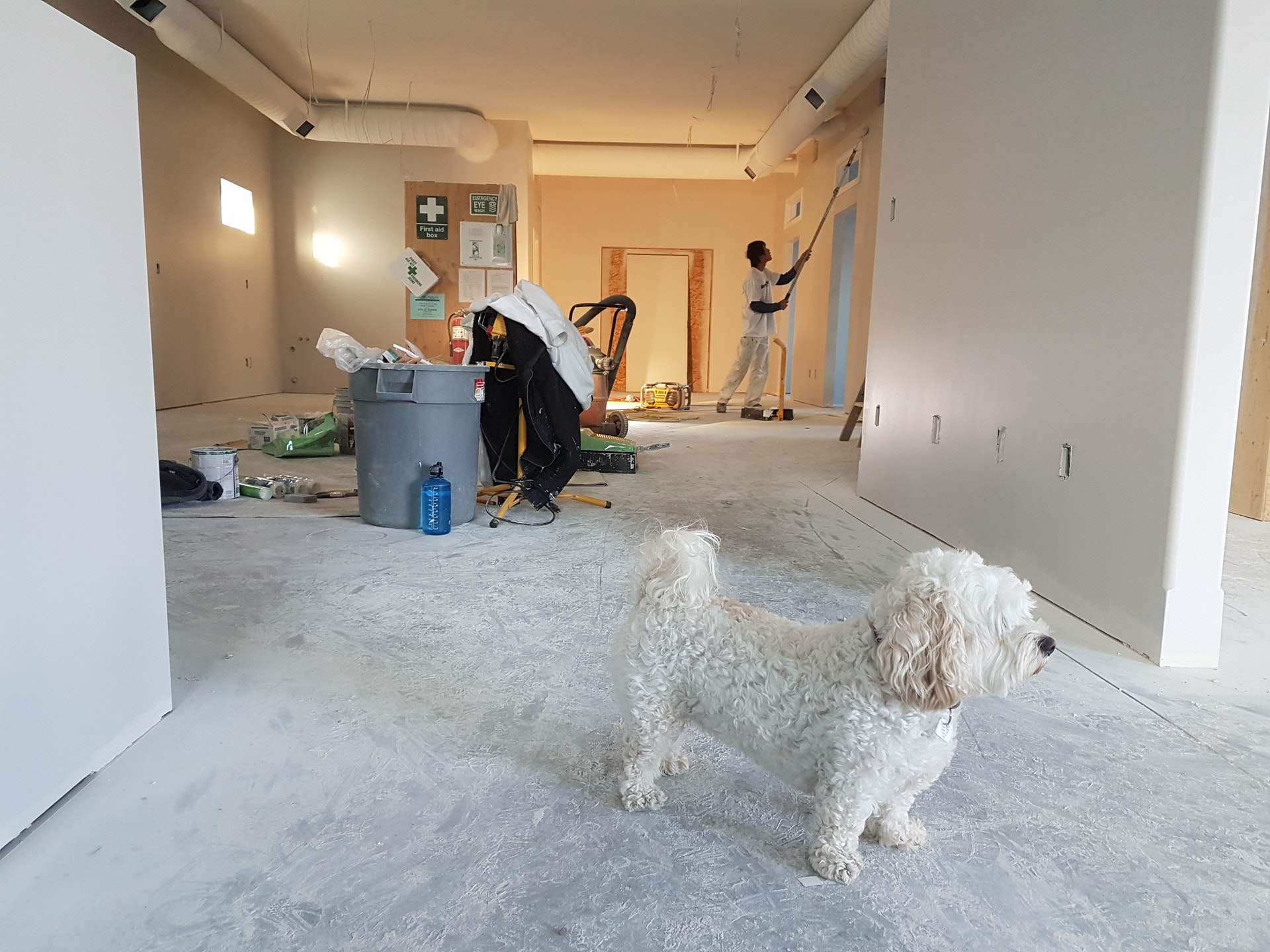
Roofs with a steep slope are especially dangerous, especially when they are wet. You’ll also need to think about the safety of the home’s occupants while doing the renovation. After they’ve fallen off, clean up gutters or place ladders and scaffolding over doors when you’re ready to block them.

To get a leaky roof, a homeowner can often perform a roof repair by replacing cracked or neglected shingles. Determine where the leak is located in the house and mark it. If there are destroyed pieces, the leak is likely due to the roof. Repairing broken shingles is often a beginner’s roof renovation. You can probably do it with two or three ordinary tools and not much experience. First, locate the damaged or cracked shingles. The easiest way to do this is with a tube that can be made with a caulking gun. It would help if you replaced broken, dry, or cracked shingles.

Dog

Renovations That Brings Up Home Value

People want to get the most for their money when renovating their homes. You need to consider whether it’s worth your time and money before spending thousands on your home. It is important that you check emodelling and renovation ideas. That’s why we’ve put together a list of project ideas that are most likely to fetch a higher price when you sell your home.

Landscape Your Garden

When it comes to selling a property, an attractive facade is key. This means keeping your lawn in good condition with regular fertilizing and watering. Just a positive first impression can excite potential buyers enough to make a serious offer. You can increase the value of your home with landscaping. It’s also one of the easiest and least expensive ways to do it. Keep your front yard neat and tidy. Trim the edges and shape the trees.

This can make the garden easier to maintain, which could attract potential buyers. Installing an irrigation system to water your garden can be a worthwhile investment. Opt for native plants to keep landscape costs down. These plants are often more resistant to pests or drought than other species. Avoid plants that are too exotic or require special care.

Swimming Pool

Install a Swimming Pool

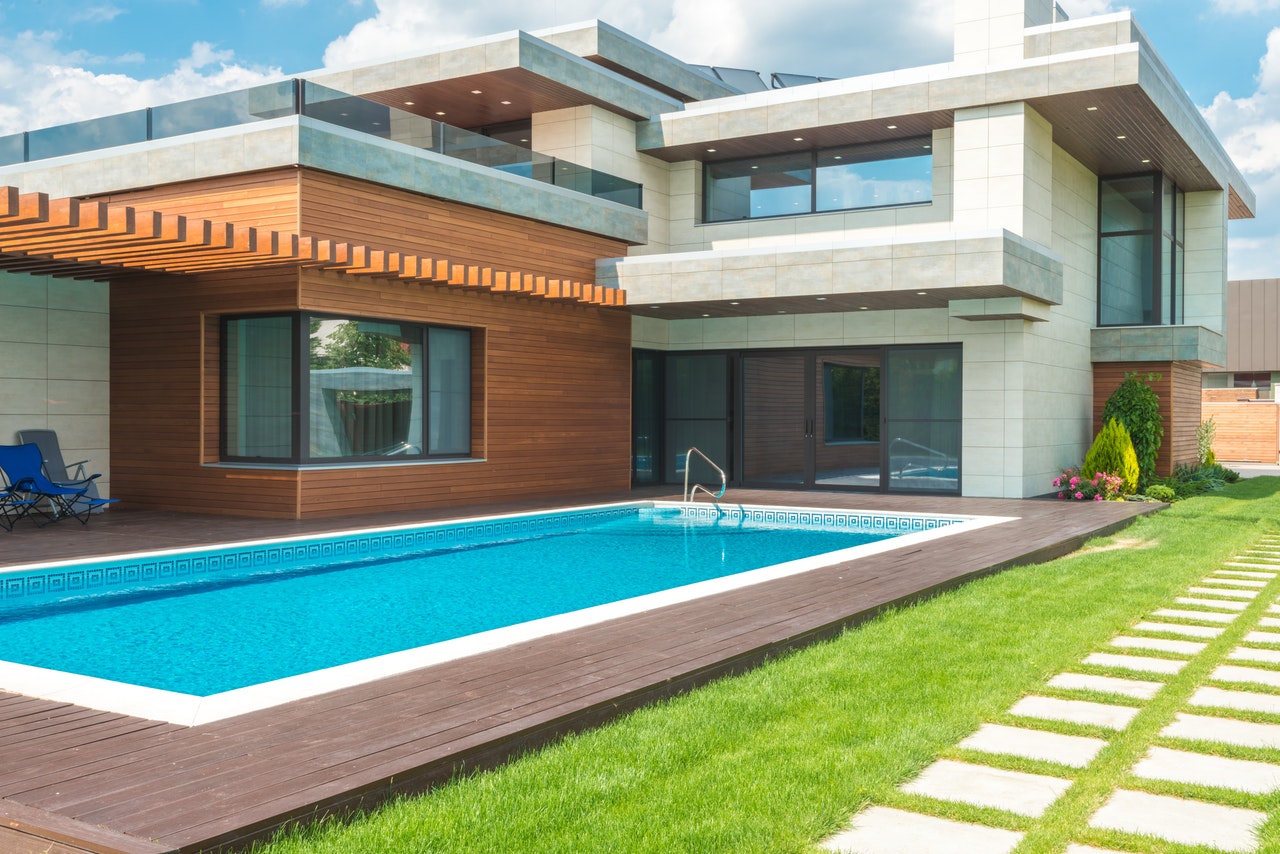
Home remodeling requires improvements to the yard. This includes installing a pool to keep the heat out. Since buyers envision relaxing by a pool on hot summer days, a well-designed pool can be a strong selling point. Research has shown that a property with a pool is almost always more expensive than a property without one.

A backyard pool is a common feature in some price ranges. For many families, it’s a dream come true, providing the perfect space for entertaining and relaxing. They are a very popular feature in properties and an important criterion for many buyers.

Increase Your Space

You can also increase the sales value of your property by expanding the interior space. One obvious way to increase the living space in your home is to add an extra room. If you prefer an open floor plan, knock down walls and install support beams. This creates more space for living and entertaining guests.

There are always other ways to extend your home if you don’t have space for a large-scale renovation. You could build a patio in the backyard or put in higher ceilings. You can give the impression that your rooms are larger by adding mirrors or skylights to increase natural light. Although appraisers may not realize it, larger homes that offer more space often sell for a higher price.

Mirror

Remodel Your Bathroom

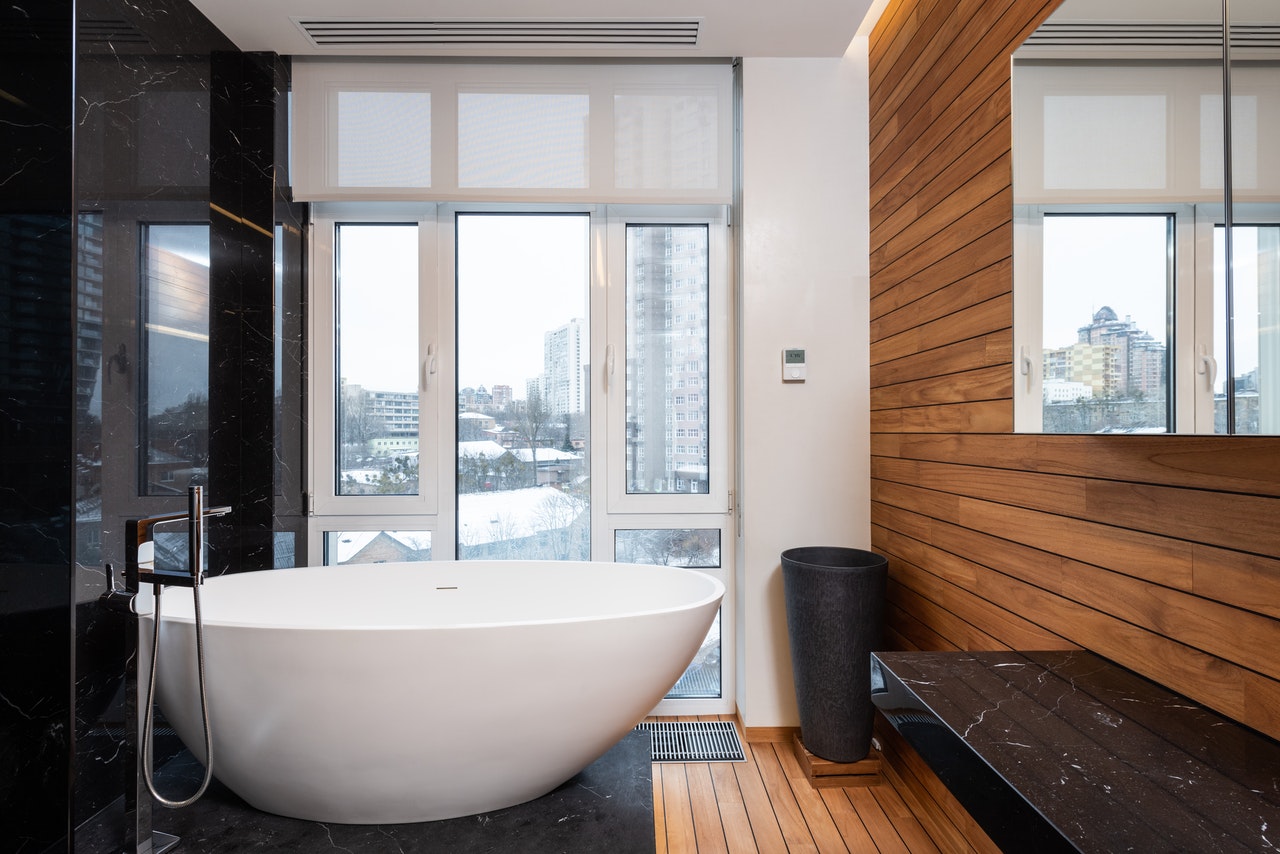
Bathrooms are an essential part of any home. The real estate industry knows that bathrooms and kitchens are critical to selling homes. Remodeling a bathroom is neither easy nor cheap, especially if you need to add a toilet, sink, or flooring. However, as long as you use neutral colors and high-quality fixtures, the investment will pay for itself in most cases.

Bathrooms in poor condition can discourage potential buyers. It’s no wonder they are among the most popular remodeling projects. A home’s curb appeal can be improved by replacing old sinks or updating plumbing fixtures. To give your bathroom a makeover, you don’t necessarily have to knock down the tiles and change the fixtures.

couch

Doggy Design: Tips for Making Your Home Pup-Friendly

Welcome to the paw-sitively delightful world of Doggy Design. If you’re a proud dog parent, you know that our furry friends deserve a home that’s just as stylish and comfortable as we do. But merging pup-friendly aesthetics with your decor can be quite the ruff challenge! Fear not—this blog post is here to unleash your creativity and help you transform your living space into a tail-wagging paradise. From cozy nooks for nap time to chic storage solutions for toys, we’ve got all the tips and tricks to make your home both fabulous and fur-approved.

Choose Pet-Friendly Fabrics

pup

Let’s start with the basics: your furniture. If you’ve ever come home to find your favorite couch shredded or covered in paw prints, you know how important it is to choose durable, pet-friendly fabrics. Opt for materials like microfiber, leather, or tightly woven fabrics that can withstand claws and muddy paws. And don’t forget about color—neutral tones or patterns can help hide the occasional fur or stain. If you’re feeling extra fancy, you can even find stylish, washable slipcovers that make cleanup a breeze.

Designate a Play Zone

Dogs need space to play, so why not create a designated play zone in your home? This could be a corner of the living room with a basket of toys, a section of the backyard with agility equipment, or even a dedicated doggy playroom if you have the space. If you aim to create a safe play zone outdoors without the need for traditional fencing, you might notice a difference in the quality of the halo vs spoton fence. Make sure the area is safe and free of hazards like loose wires or small objects that could be swallowed. And don’t forget to include plenty of toys to keep your pup entertained. From chew toys to puzzle games, the options are endless.

Create a Cozy Nook for Your Pup

Every dog needs a space to call their own. Whether it’s a plush bed in the corner of the living room or a cozy crate in the bedroom, make sure your pup has a spot where they can relax and feel safe. When choosing a bed, think about your dog’s size and sleeping style. Do they like to sprawl out or curl up in a ball? Memory foam beds are great for older dogs with joint issues, while waterproof options are perfect for puppies who are still mastering potty training. And don’t forget to add a few personal touches, like a favorite blanket or toy. After all, this is their little slice of heaven.

toy

Incorporate Easy-to-Clean Flooring

Let’s face it: dogs can be messy. From muddy paws to accidental spills, your floors need to be able to handle whatever your pup throws their way. Hardwood, tile, and laminate are all great options because they’re easy to clean and resistant to scratches. If you prefer carpet, go for stain-resistant varieties or use area rugs that can be easily washed or replaced. And if you’re feeling extra fancy, consider installing radiant floor heating. Your dog will love the warm floors during the winter months, and you’ll love the cozy ambiance it adds to your home.

Think About Accessibility

As your dog ages, their needs may change. Consider designing your home with accessibility in mind. For example, if you have a small dog or an older pup, you might want to add ramps or stairs to help them get on and off the couch or bed. You can also install pet doors to give your dog easy access to the backyard or create a feeding station that’s at the perfect height for their size.

Add Personal Touches

corner

Finally, don’t forget to add a few personal touches that reflect your dog’s personality. This could be anything from a custom portrait above the fireplace to a monogrammed food bowl or a gallery wall of your favorite photos. You can even incorporate your dog’s favorite colors or patterns into your decor. After all, this is their home too, so why not make it feel special?

Designing a dog-friendly home is all about finding the perfect balance between style and functionality. With a little planning and creativity, you can create a space that’s comfortable, practical, and beautiful—for both you and your furry friend. So, what are you waiting for? Start designing the ultimate dog-friendly home today. Your pup will thank you with wagging tails and wet kisses.