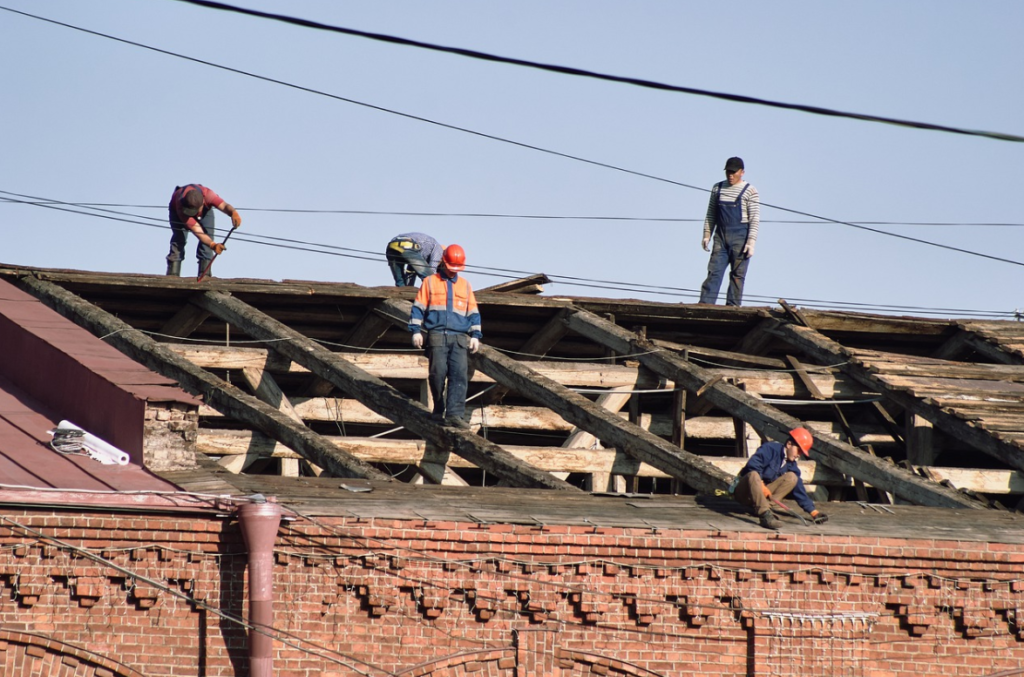
Reasons Why You Should Repair Your Broken Roof Sooner

Removing roofing is not an easy decision. It requires planning and resources. Besides, installing a new roof can have a positive impact on your home. It increases the value and strength of your home. Although roof replacement is inevitable, not everyone has the financial resources to pay for it. You should have your roof inspected by a professional if you already notice signs like curling shingles or a damaged underside, such as colorado roofing. While the project may seem expensive, it is well worth the time and money. Here are some of the benefits of replacing your broken roof sooner.

roofing repairs

Improve Safety

It’s not a good idea to put off roof repairs. You can be confident that your roof will be repaired and safe. Old, rusted roofs pose a critical safety risk. They can collapse at any time. Unexpected collapses can lead to severe injury and death. Bad weather can make matters worse and increase the likelihood of further damage. Your family’s safety is at risk from a falling roof. Mold can grow in cracks and cause structural damage. Cracks and moisture can severely damage roof structures. Contact a roofing company for expert advice.

Increase Property Value

The value of your property will increase if you make timely repairs and participate in home improvement programs. A home in good condition inside and out is easy to sell. Don’t hesitate to repair any damage to your home so that it will last for many years to come. Roof replacement is a good investment. However, it is essential to hire the best roofing company in your area. This way prevents you from severe issues that could cost you more significantly. Therefore, it would be best to call an expert if you don’t understand roofing repairs.

Save Energy

Inefficient buildings can be expensive to heat and cool if they are not maintained thoroughly. When your roof structure is cracked, your heating, ventilation, and air conditioning systems work harder to provide heating and cooling. It can lead to higher electricity consumption. Replacing a damaged roof will reduce energy consumption. It means that you can protect some potential energy.

Besides, you can save time and money thoroughly. If you want to replace your roof yourself, there is a risk. It requires training and the right tools. It is not as easy as you think. To avoid injuries and other unforeseen issues, you should call a professional. Therefore, it is beneficial to fix your broken roof as soon as possible.
Related Post

property

Why Real Estate Is the Best Investment Choice for Long-Term Financial Security

Have you ever wondered why so many people rave about investing in real estate? It’s not just a trend or a fad; it’s a proven way to build wealth and secure your financial future. Unlike stocks or bonds, real estate gives you a tangible asset that you can touch, which can provide immediate income and grow in value over time. In this discussion, we’ll dive into why putting your money into real estate is such a smart financial move.

Potential for Appreciation

value

One of the most compelling reasons to invest in real estate, as implied at www.nib.de, is potential for property value appreciation over time. Historically, real estate has tended to increase in value, sometimes significantly. This appreciation results from various factors, that include economic growth, urban development, and inflation. As the demand for commercial spaces and housing increases, so does the value of the properties. This long-term appreciation can significantly boost an investor’s net worth, providing a substantial return on investment when the property is sold.

Passive Income Generation

Real estate investments can generate steady passive income through rental payments. By owning rental properties, investors can earn regular income without actively working, which can be especially beneficial for those seeking financial independence or supplemental retirement income. This income can cover mortgage payments, property maintenance, and other expenses, often leaving a surplus contributing to the investor’s overall financial health. The predictability and consistency of rental income make real estate an attractive investment option.

income

Diversification of Investment

Diversification is an essential principle of sound investing, and real estate provides an excellent way to diversify an investment portfolio. Most investors have a significant portion of their assets in stocks, bonds, or mutual funds. Including real estate to the mix can reduce their overall risk. Real estate often has lower correlation with other asset classes, hence its value does not necessarily match the stock market. This can hedge against market volatility and economic downturns, helping stabilize the portfolio’s performance over time.

Tax Benefits

tax

Real estate investments offer various tax benefits that can enhance an investor’s overall return. These benefits include deductions on mortgage interest, property depreciation, maintenance costs, and property taxes. Additionally, investors in real estate can take advantage of capital gains tax exemptions when they sell a property after holding it for a certain period. These tax advantages significantly reduce your tax burden, making real estate investment even more lucrative.

Investing in real estate is an intelligent financial move for several compelling reasons. The potential for value appreciation can significantly boost wealth over time, while passive income generation provides a reliable and consistent revenue stream. Diversifying an investment portfolio with real estate helps mitigate risk, and the various tax benefits can enhance overall returns. As such, real estate remains a robust and attractive choice for investors that need to secure their financial future and achieve long-term economic success.

installation

Not Your Neighbor’s Driveway: Why Custom Pavers Are the New Standard in Home Design

Let’s be honest—when you think about making home upgrades, your driveway probably isn’t the first thing that comes to mind. But lately, that’s changing. Homeowners everywhere are realizing that the driveway is more than just a parking spot—it’s the front door’s unofficial opening act. Custom pavers are stepping in to transform plain, forgettable driveways into stylish, functional centerpieces that elevate a home’s entire exterior. Whether you’re aiming to boost curb appeal, increase resale value, or just want something that doesn’t crack every winter, custom pavers are quickly becoming the go-to solution.

The Design Difference

In a neighborhood full of standard concrete slabs, a custom paver driveway is a bold statement. It’s your chance to break free from cookie-cutter designs and give your home a look that’s uniquely yours. With options ranging from natural stone to modern geometric patterns, you can create a layout that complements your house style, landscaping, and personal taste. Pavers also come in a variety of colors, textures, and finishes—so your driveway can be as warm and inviting as the rest of your home. Think of it as a design meeting, durability in the most practical place possible.

More Than Just a Surface

surface

It’s easy to overlook the value of hardscaping—until you see the difference it makes. Custom pavers don’t just beautify your driveway; they enhance the whole outdoor living experience. Hardscape renovations, generally done by adding textures, patterns, and pavers, often prove effective to create a cohesive, intentional exterior. Unlike concrete or asphalt, pavers can tie into your existing outdoor features for a polished look that feels thoughtfully designed, not just functional. It’s a high-impact upgrade that adds both style and substance.

Durability That Handles Real Life

Driveways take a beating—weather, weight, oil stains, and constant foot and car traffic. One major reason homeowners are switching to custom pavers is durability. Unlike poured concrete, which can crack with shifting ground or freeze-thaw cycles, pavers are individual pieces that flex slightly with movement, making them less prone to damage. If one paver does get stained or chipped, you can replace it without tearing up the whole driveway. That kind of long-term reliability saves money—and headaches—down the road.

Low Maintenance, High Reward

maintenance

If you’re picturing your weekends spent pressure-washing or sealing your driveway, think again. Custom pavers are surprisingly low-maintenance. Most require only occasional sweeping, rinsing, and weed control in the joints. With proper installation and sealing, pavers resist staining and stay vibrant for years. Plus, because they’re modular, repairs are simple and localized—not the “tear it all up and start over” ordeal that comes with concrete or asphalt. For homeowners looking for beauty without constant upkeep, pavers hit the sweet spot.

A Boost in Value (and Bragging Rights)

While it’s tempting to think of custom pavers as just a cosmetic upgrade, they also offer a solid return on investment. A well-designed driveway made of high-quality pavers can boost your home’s curb appeal and resale value. Buyers notice details, and a beautiful driveway can create a strong first impression that sets your property apart. Even if you’re not selling anytime soon, there’s a certain satisfaction in knowing your home stands out for the right reasons—and that your neighbor’s driveway just doesn’t compare.

Your driveway doesn’t have to be the most boring part of your home’s exterior. With custom pavers, it can become one of the most eye-catching. From unique design options and long-lasting materials to added property value and easier maintenance, pavers are redefining what driveways can be. If you’re considering a home upgrade that combines form, function, and flair, this might be the perfect place to start. After all, your driveway should say something about your home—and with custom pavers, it says a lot.

house

What to Consider When Building a Home in a Foreign Region

Building a home in a foreign region can be an exciting and rewarding venture, offering the opportunity to create a new life and experience a different culture. However, as you find more details, you realize the project also has unique challenges and considerations. Whether relocating permanently, building a vacation home, or investing in a property abroad, careful planning is essential to ensure a successful project. Below are the key factors to consider when building a home in a foreign region.

Legal and Regulatory Requirements

legal

Understanding the legal and regulatory requirements of the foreign region is paramount. Countries have varying laws and regulations governing property ownership, construction permits, zoning, and land use. Consult with local authorities or employ a legal expert specializing in real estate to navigate these requirements effectively. Ensure that you comply with all the necessary permits and regulations to avoid legal issues down the road.

Cultural and Language Differences

Cultural and language barriers can pose significant challenges when building a home in a foreign region. It’s essential to familiarize yourself with the local customs, traditions, and etiquette. Language proficiency or hiring a local translator can facilitate effective communication with contractors, architects, and other stakeholders. Respect for local customs and building traditions can also help establish positive relationships within the community.

Infrastructure and Utilities

Check the availability and reliability of essential infrastructure and utilities in the foreign region. This includes access to clean water, electricity, sewage systems, and internet connectivity. In some remote areas, you may need to invest in infrastructure development, which can significantly impact project timelines and costs.

Local Building Materials

Consider using locally sourced building materials. Not only does this support the local economy, but it can also be more cost-effective and environmentally sustainable. Additionally, using materials readily available in the region may simplify construction logistics and reduce transportation costs.

construction

Hire Local Professionals

Engaging local professionals can be invaluable when building a home in a foreign region. Local architects, contractors, engineers, and real estate agents deeply understand the local market, building codes, and construction practices. They provide valuable insights and suggestions, helping you make informed decisions throughout the project.

Climate and Environmental Factors

Different regions have varying climates and environmental conditions. These factors can influence the design and construction of your home. Ensure your home is designed to withstand local weather conditions, whether extreme heat, cold, humidity, or seismic activity. Incorporate energy-efficient features and sustainable building practices to minimize the environmental impact of your project.

Property Management and Maintenance

If you’re building a vacation home or an investment property, consider how you will manage and maintain it when you’re not in the region. If applicable, hiring a local property manager or caretaker can help oversee maintenance, security, and rental management.

Budget and Currency Exchange

money Managing your budget is crucial when building a home abroad. Currency exchange rates can fluctuate, impacting the cost of materials and labor. It’s essential to account for potential currency fluctuations and consider using financial tools like forward contracts or currency hedges to mitigate risks. Additionally, create a comprehensive budget that includes all project-related expenses, from construction costs to legal fees and taxes.

Conclusion

Building a home in a foreign region can be rewarding, but it requires careful planning, research, and consideration of the unique challenges the location presents. By understanding all the requirements and considerations, you can increase the likelihood of a successful project that aligns with your goals and expectations in your chosen foreign region.