
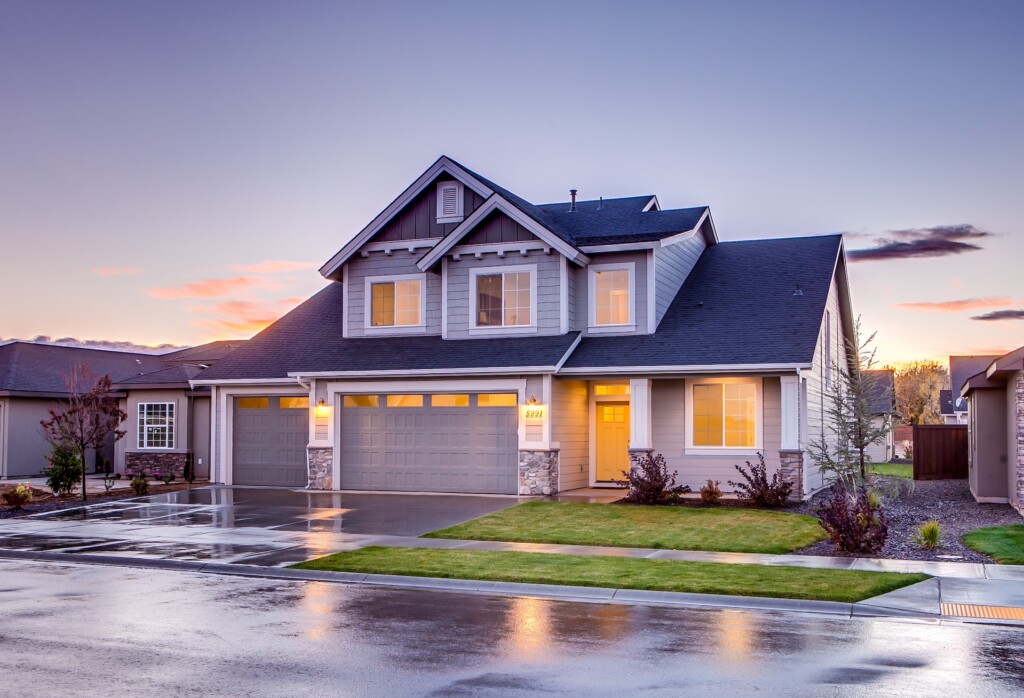
Building a home in a foreign region can be an exciting and rewarding venture, offering the opportunity to create a new life and experience a different culture. However, as you find more details, you realize the project also has unique challenges and considerations. Whether relocating permanently, building a vacation home, or investing in a property abroad, careful planning is essential to ensure a successful project. Below are the key factors to consider when building a home in a foreign region.
Legal and Regulatory Requirements

Understanding the legal and regulatory requirements of the foreign region is paramount. Countries have varying laws and regulations governing property ownership, construction permits, zoning, and land use. Consult with local authorities or employ a legal expert specializing in real estate to navigate these requirements effectively. Ensure that you comply with all the necessary permits and regulations to avoid legal issues down the road.
Cultural and Language Differences
Cultural and language barriers can pose significant challenges when building a home in a foreign region. It’s essential to familiarize yourself with the local customs, traditions, and etiquette. Language proficiency or hiring a local translator can facilitate effective communication with contractors, architects, and other stakeholders. Respect for local customs and building traditions can also help establish positive relationships within the community.
Infrastructure and Utilities
Check the availability and reliability of essential infrastructure and utilities in the foreign region. This includes access to clean water, electricity, sewage systems, and internet connectivity. In some remote areas, you may need to invest in infrastructure development, which can significantly impact project timelines and costs.
Local Building Materials
Consider using locally sourced building materials. Not only does this support the local economy, but it can also be more cost-effective and environmentally sustainable. Additionally, using materials readily available in the region may simplify construction logistics and reduce transportation costs.

Hire Local Professionals
Engaging local professionals can be invaluable when building a home in a foreign region. Local architects, contractors, engineers, and real estate agents deeply understand the local market, building codes, and construction practices. They provide valuable insights and suggestions, helping you make informed decisions throughout the project.
Climate and Environmental Factors
Different regions have varying climates and environmental conditions. These factors can influence the design and construction of your home. Ensure your home is designed to withstand local weather conditions, whether extreme heat, cold, humidity, or seismic activity. Incorporate energy-efficient features and sustainable building practices to minimize the environmental impact of your project.
Property Management and Maintenance
If you’re building a vacation home or an investment property, consider how you will manage and maintain it when you’re not in the region. If applicable, hiring a local property manager or caretaker can help oversee maintenance, security, and rental management.
Budget and Currency Exchange
 Managing your budget is crucial when building a home abroad. Currency exchange rates can fluctuate, impacting the cost of materials and labor. It’s essential to account for potential currency fluctuations and consider using financial tools like forward contracts or currency hedges to mitigate risks. Additionally, create a comprehensive budget that includes all project-related expenses, from construction costs to legal fees and taxes.
Conclusion
Building a home in a foreign region can be rewarding, but it requires careful planning, research, and consideration of the unique challenges the location presents. By understanding all the requirements and considerations, you can increase the likelihood of a successful project that aligns with your goals and expectations in your chosen foreign region.

 One of the biggest mistakes when transforming your living room is refusing to de-clutter. Your living room will look much smaller and cramped if it’s full of clutter. Take the time to go through your belongings and get rid of anything that you don’t need or use. This will give you more space to work with and make your living room look more spacious. You can also do a garage sale after de-cluttered to make extra money. Most homeowners use this money to add to the expense budget for their living room transformation.

 A clogged sink is one of the most common household issues nearly everyone has experienced. It can be frustrating to deal with, but fear not! You can unclog your sink with a few simple steps and get things flowing smoothly again. First, get rid of standing water from the sink using a bucket or container. This will help prevent any messes while you work on unclogging the drain. Next, try utilizing a plunger to dislodge the blockage. Place it over the drain and give it several quick plunges to create suction and clear out whatever is causing the clog.
 Being able to tackle