Mistakes to Avoid When Transforming Your Living Room

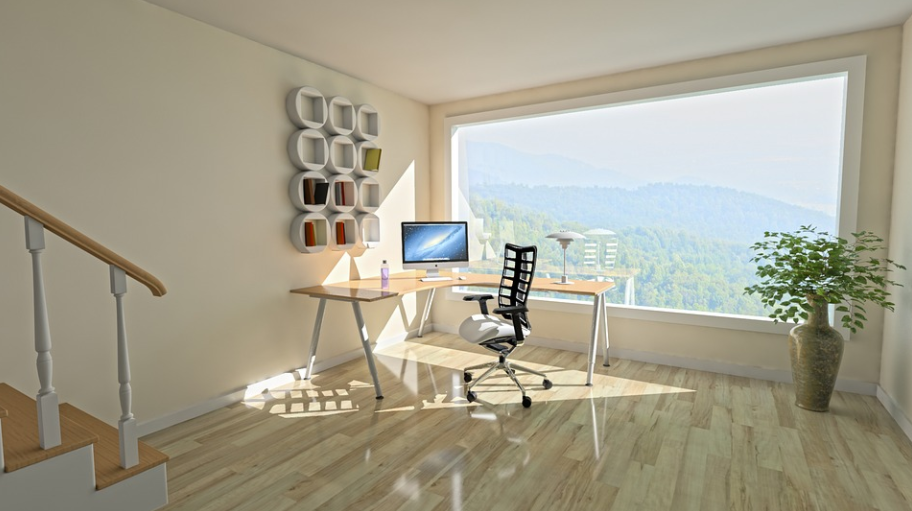
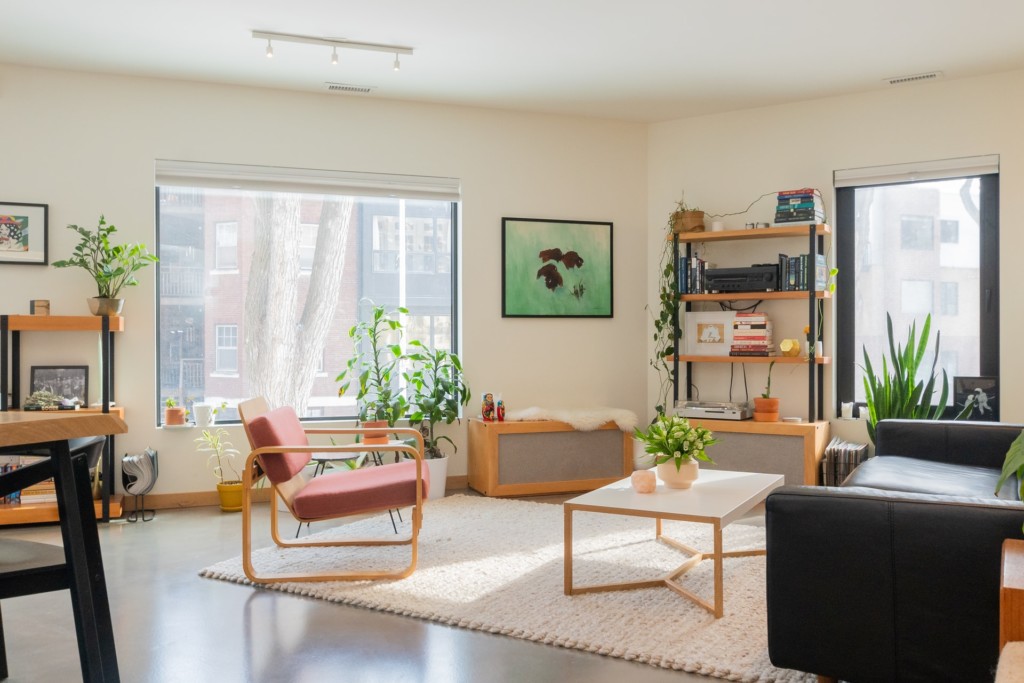
When it comes to transforming your living room, there are a few mistakes that you want to avoid. By knowing what these mistakes are, you can prevent them from happening and end up in the living room of your dreams. This can make it easier for you to relax and enjoy your space. However, if you are confused about where to start on transforming your living room, you should know some things. If you want to know about it, you can read more information here. Here are three of the most common mistakes people make when transforming their living room.

Refusing to De-Clutter

whiteOne of the biggest mistakes when transforming your living room is refusing to de-clutter. Your living room will look much smaller and cramped if it’s full of clutter. Take the time to go through your belongings and get rid of anything that you don’t need or use. This will give you more space to work with and make your living room look more spacious. You can also do a garage sale after de-cluttered to make extra money. Most homeowners use this money to add to the expense budget for their living room transformation.

Not Planning Ahead

Another mistake to avoid is not planning ahead. It would be best if you took the time to plan out what you want your living room to look like before you start making any changes. This includes deciding on a color scheme, furniture layout, and anything else you want to include in the room. By planning ahead, you can avoid making changes that you’ll end up regretting later on. Many people prefer to create a mood board to help with planning.

Ignoring the Lighting

Lighting is an important part of any room, but it’s often ignored when people are transforming their living room. Make sure to take the time to assess the lighting in your room and make any necessary changes. This could include adding new light fixtures, changing the bulbs, or adjusting the window treatments. Lighting can have a big impact on your living room’s overall look and feel, so don’t overlook it. You should first think about the type of lighting you want and then plan accordingly.

So, whether you’re just starting to think about renovating your living room or are well into the process. By following our tips, you can create a beautiful and functional living space that you and your family will enjoy for years to come. What is your favorite living room transformation style? Please share it with us in the comments.


Related Post

Quick Mold Removal Tips

Simple Steps to Remove Mold Quickly

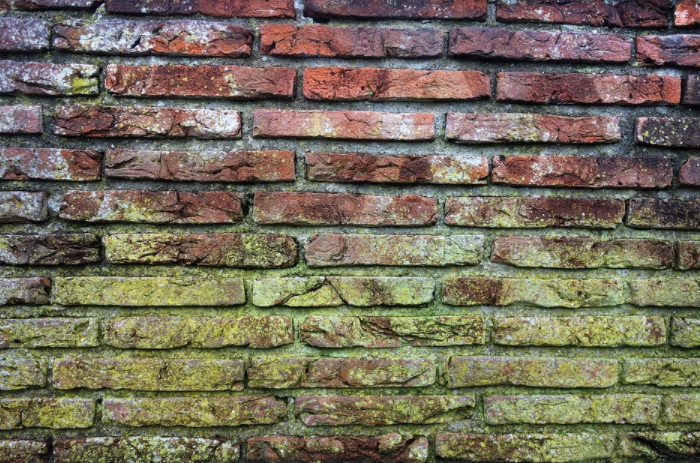
Mold can appear in a home for several reasons. Bathrooms and bedrooms are often damp areas where mold appears. Health problems, such as respiratory issues, infectious skin lesions, and allergic reactions, can begin to affect individuals in a home infested with mold and mildew. Therefore, you should clean your walls, ceilings, and other parts of your home to remove any mold. There are four main steps to remove mold quickly.

Quick Mold Removal Tips

Find the Spots and Evacuate All Furniture from the Area

The first thing you need to do is find the molds’ spot and see how many are already there. Then, it would help if you acted quickly to prevent the infestation from growing. Sometimes it can be seen in green, black or white but sometimes you can smell it. To locate hidden spots as well, use a mold detection kit available at local home improvement stores. Next, when you begin removing popcorn ceilings, be sure to remove all furniture from the room. The last thing you need is for paint (and possibly asbestos) to get on your furniture.

Clean the Mold With a Bleach and Borax Mixture

Quick Mold Removal TipsAfter you remove any furniture from the work area, you need to peel the plastic off each wall and then roll the edges up when you get to the door. From the moment you get to the door, you will need to have a large piece of plastic along with a clean area. After that, you can destroy the actual mold. It is essential to get rid of it as soon as possible, but be sure to use protective gloves and face protection such as a mask. It’s worth mentioning that you should not touch the mold or try to cover up the mold by painting the affected areas, as the spores will likely continue to multiply.

Get Rid of the Eradicated Spots

It would be best if you cleaned the newly eradicated areas. To do so, you should cut away any wet, contaminated wood or plaster to completely remove the mold. If you have left grooves in the drywall due to scraping, use a sponge to sand the area lightly. You can then apply some stucco (also called drywall mud or drywall putty) to the damaged areas and then smooth it out with a trowel. You should take a look at your ceiling and then cover any uneven areas, such as nail heads or tiles, that may need an additional layer of sand. If you’re using a cold, textured surface, such as stippling or knockdown, this sanding step can be skipped.

Do Preventive Tips

After you finished clean the walls or ceiling that had been infected by molds, you should do some preventive tips. First, you need to find the source and fix it so it is no longer a problem. Be proactive to protect the area from potential problems. Broken or loose pipes should be repaired or replaced, a leaky roof should be waterproofed, and all cracks and crevices should be sealed. If you live in a very humid area, you may need to invest in a humidifier to remove moisture from your environment. If you have a mold problem that seems quite extensive, it can be an excellent idea to have an expert specializing in these issues look into the hypotheticals. A professional will know the many best practices for eradication and elimination.

couch

Doggy Design: Tips for Making Your Home Pup-Friendly

Welcome to the paw-sitively delightful world of Doggy Design. If you’re a proud dog parent, you know that our furry friends deserve a home that’s just as stylish and comfortable as we do. But merging pup-friendly aesthetics with your decor can be quite the ruff challenge! Fear not—this blog post is here to unleash your creativity and help you transform your living space into a tail-wagging paradise. From cozy nooks for nap time to chic storage solutions for toys, we’ve got all the tips and tricks to make your home both fabulous and fur-approved.

Choose Pet-Friendly Fabrics

pup

Let’s start with the basics: your furniture. If you’ve ever come home to find your favorite couch shredded or covered in paw prints, you know how important it is to choose durable, pet-friendly fabrics. Opt for materials like microfiber, leather, or tightly woven fabrics that can withstand claws and muddy paws. And don’t forget about color—neutral tones or patterns can help hide the occasional fur or stain. If you’re feeling extra fancy, you can even find stylish, washable slipcovers that make cleanup a breeze.

Designate a Play Zone

Dogs need space to play, so why not create a designated play zone in your home? This could be a corner of the living room with a basket of toys, a section of the backyard with agility equipment, or even a dedicated doggy playroom if you have the space. If you aim to create a safe play zone outdoors without the need for traditional fencing, you might notice a difference in the quality of the halo vs spoton fence. Make sure the area is safe and free of hazards like loose wires or small objects that could be swallowed. And don’t forget to include plenty of toys to keep your pup entertained. From chew toys to puzzle games, the options are endless.

Create a Cozy Nook for Your Pup

Every dog needs a space to call their own. Whether it’s a plush bed in the corner of the living room or a cozy crate in the bedroom, make sure your pup has a spot where they can relax and feel safe. When choosing a bed, think about your dog’s size and sleeping style. Do they like to sprawl out or curl up in a ball? Memory foam beds are great for older dogs with joint issues, while waterproof options are perfect for puppies who are still mastering potty training. And don’t forget to add a few personal touches, like a favorite blanket or toy. After all, this is their little slice of heaven.

toy

Incorporate Easy-to-Clean Flooring

Let’s face it: dogs can be messy. From muddy paws to accidental spills, your floors need to be able to handle whatever your pup throws their way. Hardwood, tile, and laminate are all great options because they’re easy to clean and resistant to scratches. If you prefer carpet, go for stain-resistant varieties or use area rugs that can be easily washed or replaced. And if you’re feeling extra fancy, consider installing radiant floor heating. Your dog will love the warm floors during the winter months, and you’ll love the cozy ambiance it adds to your home.

Think About Accessibility

As your dog ages, their needs may change. Consider designing your home with accessibility in mind. For example, if you have a small dog or an older pup, you might want to add ramps or stairs to help them get on and off the couch or bed. You can also install pet doors to give your dog easy access to the backyard or create a feeding station that’s at the perfect height for their size.

Add Personal Touches

corner

Finally, don’t forget to add a few personal touches that reflect your dog’s personality. This could be anything from a custom portrait above the fireplace to a monogrammed food bowl or a gallery wall of your favorite photos. You can even incorporate your dog’s favorite colors or patterns into your decor. After all, this is their home too, so why not make it feel special?

Designing a dog-friendly home is all about finding the perfect balance between style and functionality. With a little planning and creativity, you can create a space that’s comfortable, practical, and beautiful—for both you and your furry friend. So, what are you waiting for? Start designing the ultimate dog-friendly home today. Your pup will thank you with wagging tails and wet kisses.

skirting board home

Types of Suitable Skirting for Your Home Interior

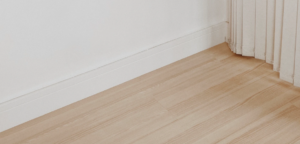
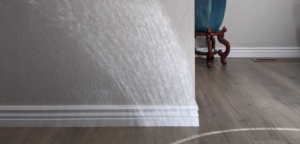
The aesthetic elements of a room rely on the choice we make for a home interior. All decorations, from window treatments to skirting, are crucial elements to define a home value on the decorative components. Unfortunately, many homeowners overlook the skirting board. This home element is valuable in terms of aesthetics and functionality as it gives protection for your furniture from dust, moisture, and grim. It also deals with the room’s visual appeal enhancement through a design flow from the wall to the floor. 

skirting boardThere are many types of materials used in floor construction, and the most important of which is MDF or perhaps known more as medium density fiberboard. The house shop also recommends this skirting board due to its wide variety. Besides, it can match any decoration well, and its relatively affordable price makes it a favorite among customers. Some prefer to choose from particular flavors. Let’s take a look at what they offer, both in their strengths and weaknesses.
Medium-Density Fiberboard (MDF)

skirting boardIn terms of cost, MDF is much cheaper than wood, regardless of the many advantages. The substance has no knots or rings, which means that painting jobs will be a breeze. Both look good when left as they are. There is no grain which some prefer and some don’t. However, many buyers are inclined to add a few paint coats to match the interior decoration in many situations. In terms of moisture, MDF has a slightly higher tolerance than wood. Of course, you must try not to get it wet because it will warp if it gets wet.

One of the most attractive features of MDF is its easy installation using a variety of methods. The latest solution has a prefabricated skirting board, and you can do-it-yourselfers if looking for an easy installation. All you have to do is measuring, cutting, and gluing the skirting board for a clean and compact finish.

Natural Wood

skirting boardNatural wood was what our ancestors used for all their baseboard needs. It was easy to discover, as well as inexpensive, and simple to work with any materials. Softwoods, such as hickory, are still reasonably cheap and accessible, but the texture isn’t there, as some wood areas are denser than others. If you bleach or whiten, you may not get a smooth finish.

More expensive woods, like oak, offer perfection, but even its significant price tag means few can afford it. Oak stains and varnishes better. It can last a long time, so the performance is excellent, but as mentioned, at a high price. What regular wood lacks is the ease of replacement since, unlike MDF, it’s not glued together with glue. You’ll also have trouble getting the baseboard to conform to the wall shape because it’s so rigid.

Vinyl

Vinyl is also a much more flexible option as it can easily stretch around oddly shaped arches and walls. Custom colors and a range of trim styles are also available. The downside to vinyl is that it’s less dense, so thaws and spills can easily dent it. Skirting boards are there to protect the base of walls from these forces, but if you’re not careful, you’ll see corrective boards in a few weeks.