
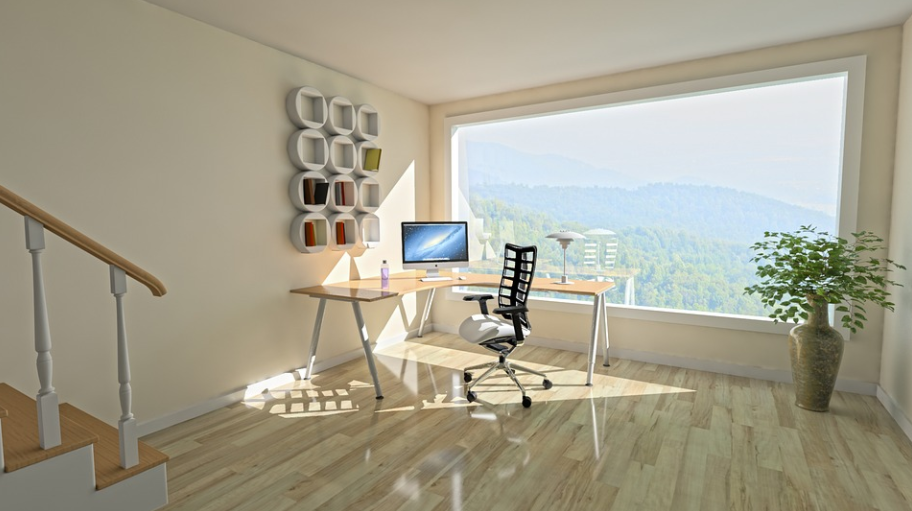
The aesthetic elements of a room rely on the choice we make for a home interior. All decorations, from window treatments to skirting, are crucial elements to define a home value on the decorative components. Unfortunately, many homeowners overlook the skirting board. This home element is valuable in terms of aesthetics and functionality as it gives protection for your furniture from dust, moisture, and grim. It also deals with the room’s visual appeal enhancement through a design flow from the wall to the floor.
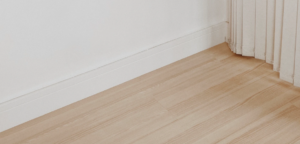 There are many types of materials used in floor construction, and the most important of which is MDF or perhaps known more as medium density fiberboard. The house shop also recommends this skirting board due to its wide variety. Besides, it can match any decoration well, and its relatively affordable price makes it a favorite among customers. Some prefer to choose from particular flavors. Let’s take a look at what they offer, both in their strengths and weaknesses.
Medium-Density Fiberboard (MDF)
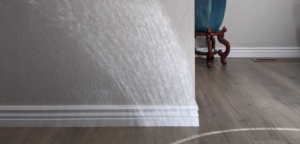 In terms of cost, MDF is much cheaper than wood, regardless of the many advantages. The substance has no knots or rings, which means that painting jobs will be a breeze. Both look good when left as they are. There is no grain which some prefer and some don’t. However, many buyers are inclined to add a few paint coats to match the interior decoration in many situations. In terms of moisture, MDF has a slightly higher tolerance than wood. Of course, you must try not to get it wet because it will warp if it gets wet.
One of the most attractive features of MDF is its easy installation using a variety of methods. The latest solution has a prefabricated skirting board, and you can do-it-yourselfers if looking for an easy installation. All you have to do is measuring, cutting, and gluing the skirting board for a clean and compact finish.
Natural Wood
 Natural wood was what our ancestors used for all their baseboard needs. It was easy to discover, as well as inexpensive, and simple to work with any materials. Softwoods, such as hickory, are still reasonably cheap and accessible, but the texture isn’t there, as some wood areas are denser than others. If you bleach or whiten, you may not get a smooth finish.
More expensive woods, like oak, offer perfection, but even its significant price tag means few can afford it. Oak stains and varnishes better. It can last a long time, so the performance is excellent, but as mentioned, at a high price. What regular wood lacks is the ease of replacement since, unlike MDF, it’s not glued together with glue. You’ll also have trouble getting the baseboard to conform to the wall shape because it’s so rigid.
Vinyl
Vinyl is also a much more flexible option as it can easily stretch around oddly shaped arches and walls. Custom colors and a range of trim styles are also available. The downside to vinyl is that it’s less dense, so thaws and spills can easily dent it. Skirting boards are there to protect the base of walls from these forces, but if you’re not careful, you’ll see corrective boards in a few weeks.

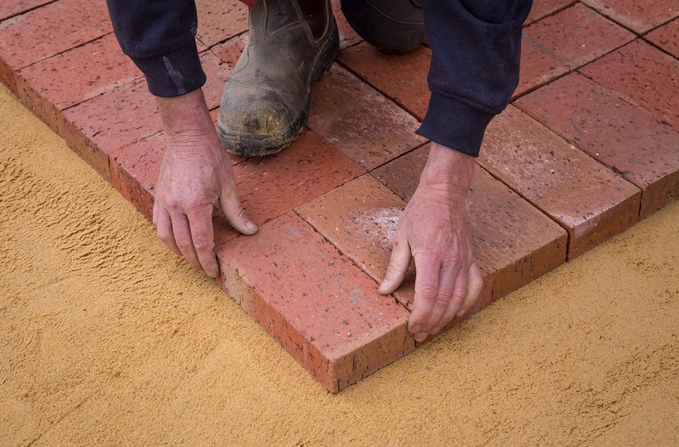
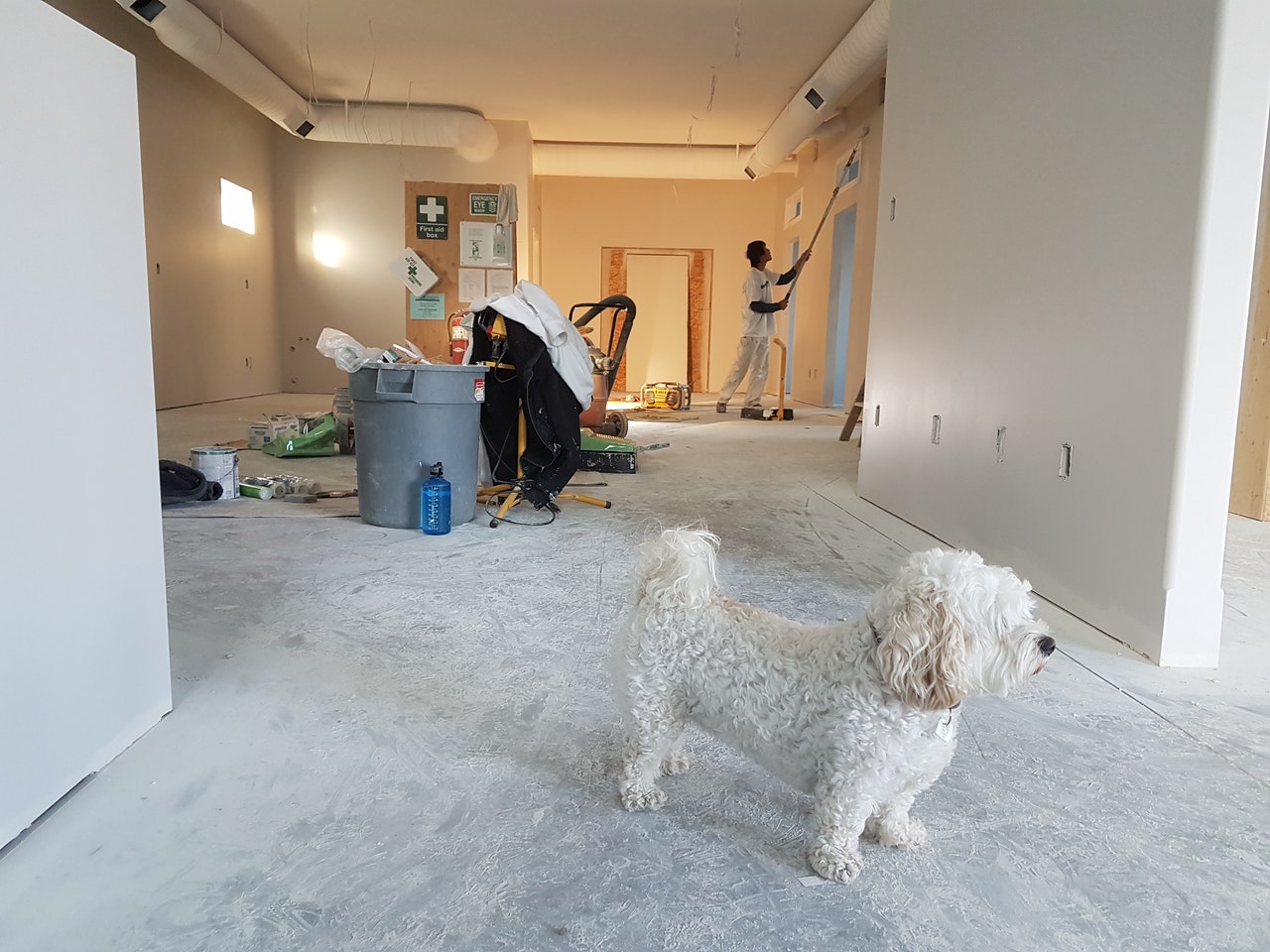
 The first thing you see in an empty house is literally an empty house with no furniture. This might be a little daunting, but it’s also the perfect opportunity to buy the furniture you’ve always wanted. Take your time shopping around and find pieces that fit your style and your budget. Remember to look for inspiration on the internet to understand better how you should style your home and what furniture you should get.
 These days, people are going crazy over backyard ideas, such as making a small garden, gazebo, BBQ area, and even a swimming pool. If you’re lucky enough to have a backyard in your new home, start planning out what you want to do with it. Even if you’re not sure how everything will turn out, it’s still a good idea to have some sort of plan. This will help you better utilize the space and make the most of your backyard. Do you need more expert advice for transitioning into your new home?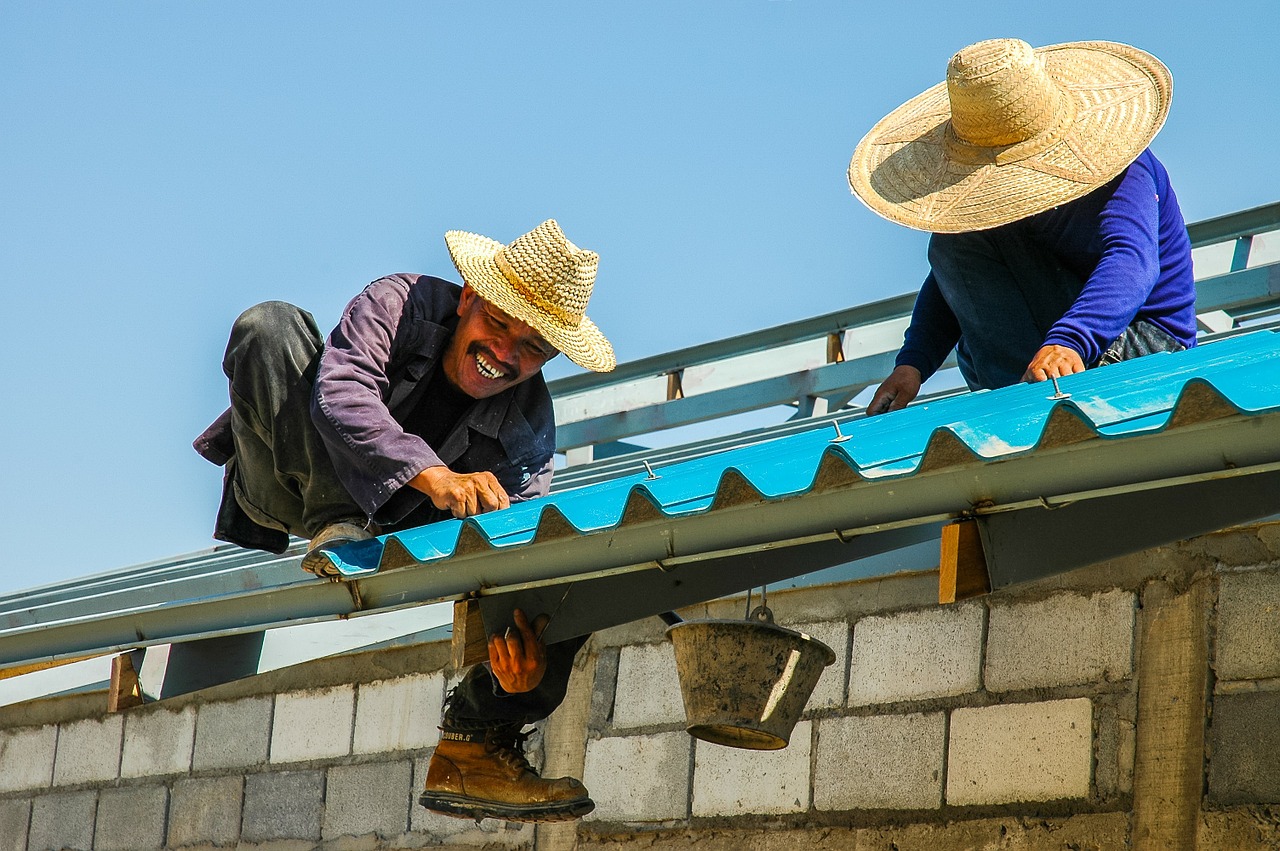
 One of the people’s biggest mistakes when hiring a roofing contractor is waiting until the last minute. If your roof starts leaking or you notice other problems, it’s crucial to find a contractor right away and get the repairs started. Trying to find a contractor at the last minute can be difficult, and you may end up paying more money for rushed repairs.
 Another mistake people make is going with the first contractor they find. It’s essential to take your time and compare different contractors before deciding. This will help ensure you get the best possible deal and that the contractor is qualified to do the job. Also, be sure to ask for references to get a good idea of the contractor’s work quality and how they interact with their clients. Refferences can also help you find out if the contractor is reliable and has a good reputation.