
Sep
13
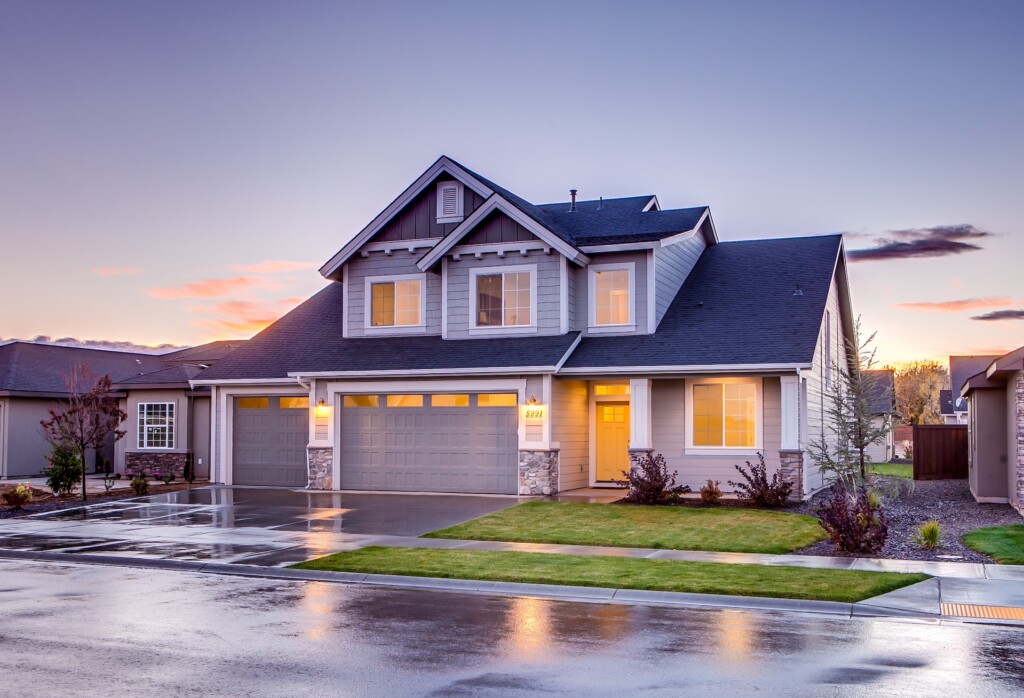
Building a home in a foreign region can be an exciting and rewarding venture, offering the opportunity to create a new life and experience a different culture. However, as you find more details, you realize the project also has unique challenges and considerations. Whether relocating permanently, building a vacation home, or investing in a property abroad, careful planning is essential to ensure a successful project. Below are the key factors to consider when building a home in a foreign region.
Legal and Regulatory Requirements

Understanding the legal and regulatory requirements of the foreign region is paramount. Countries have varying laws and regulations governing property ownership, construction permits, zoning, and land use. Consult with local authorities or employ a legal expert specializing in real estate to navigate these requirements effectively. Ensure that you comply with all the necessary permits and regulations to avoid legal issues down the road.
Cultural and Language Differences
Cultural and language barriers can pose significant challenges when building a home in a foreign region. It’s essential to familiarize yourself with the local customs, traditions, and etiquette. Language proficiency or hiring a local translator can facilitate effective communication with contractors, architects, and other stakeholders. Respect for local customs and building traditions can also help establish positive relationships within the community.
Infrastructure and Utilities
Check the availability and reliability of essential infrastructure and utilities in the foreign region. This includes access to clean water, electricity, sewage systems, and internet connectivity. In some remote areas, you may need to invest in infrastructure development, which can significantly impact project timelines and costs.
Local Building Materials
Consider using locally sourced building materials. Not only does this support the local economy, but it can also be more cost-effective and environmentally sustainable. Additionally, using materials readily available in the region may simplify construction logistics …