Why You Need Tree Spraying Services

Like most people, you probably think of tree spraying as something only necessary for large or commercial properties. However, the truth is that every property can benefit from regular spraying from Webster Groves Tree Service. This blog post will discuss some of the benefits of these services and why you should consider investing in them for your property.

Tree Spraying Protects Against Infestation

One of the main benefits of tree spraying services is that they can help to protect your trees against infestation. If you live in an area where there are a lot of insects, it’s essential to have your trees regularly sprayed to keep them healthy. Tree spraying will also help prevent the spread of disease from one tree to another.

It Improves Trees Appearance

sprayAnother benefit of tree spraying is that it can help improve your trees’ appearance. If you have trees that are starting to look a bit sick or unhealthy, tree spraying can help them regain their vigor and become healthy again. In addition, if you have trees infested with insects, tree spraying can help get rid of the insects and improve the overall appearance of your trees.

It Use the Right Spray

It’s important to note that tree spraying is not something that should be done lightly. If you use the wrong kind of spray or don’t follow the directions carefully, you could do more harm than good. That’s why it’s crucial to hire a professional tree spraying service to do the job for you. They will know exactly what kind of spray to use and how to apply it to achieve the best results.

Professionals Ensure Proper Timing

proAnother thing to keep in mind is that timing is crucial for tree spraying. You need to make sure that you spray your trees at the right time of year to achieve the best results. For example, if you live in an area where there are a lot of insects, you’ll want to have your trees sprayed in the spring to prevent infestation. On the other hand, if you live in an area where diseases are more common, you’ll want to have your trees sprayed in the fall to prevent them from becoming sick.

As you can see, there are a lot of benefits to tree spraying services. If you’re looking for a way to improve the health of your trees and prevent infestation, consider hiring a professional tree spraying service. They will be able to advise you on the best time of year to spray your trees and what kind of spray to use to achieve the best results. Thanks for reading.

Related Post

property

Why Real Estate Is the Best Investment Choice for Long-Term Financial Security

Have you ever wondered why so many people rave about investing in real estate? It’s not just a trend or a fad; it’s a proven way to build wealth and secure your financial future. Unlike stocks or bonds, real estate gives you a tangible asset that you can touch, which can provide immediate income and grow in value over time. In this discussion, we’ll dive into why putting your money into real estate is such a smart financial move.

Potential for Appreciation

value

One of the most compelling reasons to invest in real estate, as implied at www.nib.de, is potential for property value appreciation over time. Historically, real estate has tended to increase in value, sometimes significantly. This appreciation results from various factors, that include economic growth, urban development, and inflation. As the demand for commercial spaces and housing increases, so does the value of the properties. This long-term appreciation can significantly boost an investor’s net worth, providing a substantial return on investment when the property is sold.

Passive Income Generation

Real estate investments can generate steady passive income through rental payments. By owning rental properties, investors can earn regular income without actively working, which can be especially beneficial for those seeking financial independence or supplemental retirement income. This income can cover mortgage payments, property maintenance, and other expenses, often leaving a surplus contributing to the investor’s overall financial health. The predictability and consistency of rental income make real estate an attractive investment option.

income

Diversification of Investment

Diversification is an essential principle of sound investing, and real estate provides an excellent way to diversify an investment portfolio. Most investors have a significant portion of their assets in stocks, bonds, or mutual funds. Including real estate to the mix can reduce their overall risk. Real estate often has lower correlation with other asset classes, hence its value does not necessarily match the stock market. This can hedge against market volatility and economic downturns, helping stabilize the portfolio’s performance over time.

Tax Benefits

tax

Real estate investments offer various tax benefits that can enhance an investor’s overall return. These benefits include deductions on mortgage interest, property depreciation, maintenance costs, and property taxes. Additionally, investors in real estate can take advantage of capital gains tax exemptions when they sell a property after holding it for a certain period. These tax advantages significantly reduce your tax burden, making real estate investment even more lucrative.

Investing in real estate is an intelligent financial move for several compelling reasons. The potential for value appreciation can significantly boost wealth over time, while passive income generation provides a reliable and consistent revenue stream. Diversifying an investment portfolio with real estate helps mitigate risk, and the various tax benefits can enhance overall returns. As such, real estate remains a robust and attractive choice for investors that need to secure their financial future and achieve long-term economic success.

buyers

Why First-Time Homebuyers Are Changing Housing Market Trends

The housing market constantly evolves as economic conditions, lifestyle preferences, and buyer priorities change. Among the groups shaping today’s residential market, first-time homebuyers have become especially influential. These buyers are entering homeownership with different financial situations, purchasing habits, and long-term expectations than previous generations. Their decisions affect not only which homes sell but also how builders, lenders, and developers respond to future demand. Reports such as berliner-kurier.de/ratgeber/darum-fluechten-jetzt-tausende-ins-brandenburger-umland-li.10071752 highlight how changing buyer behavior and migration patterns are influencing where people choose to purchase their first homes. As more people purchase their first homes, the market adjusts to meet their preferences for affordability, functionality, and location. Understanding why first-time homebuyers are changing housing market trends helps explain many of the developments currently taking place across residential real estate.

Influencing Housing Preferences

First-time homebuyers often approach homeownership differently from experienced buyers. Instead of focusing primarily on luxury features or larger properties, many prioritize practicality and long-term value. Smaller homes with efficient layouts frequently attract strong interest because they fit both lifestyle needs and financial goals. Buyers also pay closer attention to maintenance requirements, energy efficiency, and flexible living spaces. These changing preferences encourage builders to design homes that better reflect modern household expectations. Residential developments increasingly include features that appeal to buyers entering the housing market for the first time.

Encouraging Affordable Development
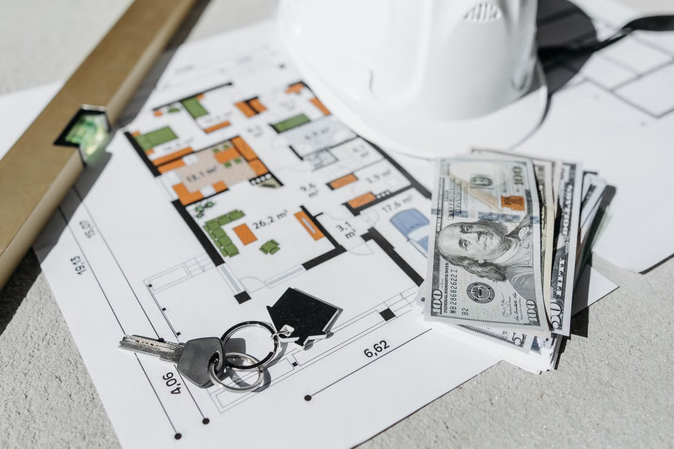
Affordability remains one of the biggest concerns for many first-time buyers. Rising home prices and increasing ownership costs have encouraged greater demand for reasonably priced housing options. Developers respond by creating communities with a wider range of home sizes and price points. Townhomes, compact single-family houses, and mixed residential developments have become more common in many areas. These projects help provide additional opportunities for buyers with limited purchasing budgets. Growing interest in affordable housing continues influencing construction priorities while expanding the variety of homes available in today’s market.

Supporting Different Location Choices

Location continues to play an important role in homebuying decisions. However, first-time buyers often evaluate communities using different criteria than previous generations. Many buyers balance commuting distance with affordability, neighborhood amenities, and future growth potential. Walkable communities, convenient public transportation, and nearby shopping or recreation frequently influence purchasing decisions. Some buyers also consider suburban areas that offer additional space while remaining connected to employment centers. These changing location preferences encourage residential development across a wider range of communities rather than concentrating growth in only a few urban neighborhoods.

Adapting to Financial Priorities

Financial planning has become a central part of the homebuying process. First-time buyers often spend considerable time evaluating mortgage payments, maintenance expenses, insurance costs, and future household budgets. Rather than purchasing the largest home possible, many buyers seek properties that allow greater financial stability over time. This careful approach influences demand for homes with lower operating costs, manageable maintenance, and energy-efficient features. Builders and sellers increasingly recognize that long-term affordability matters alongside purchase price. Financial priorities continue shaping how homes are designed, marketed, and priced.

Driving Digital Home Searches

buyers doing research

Technology has transformed the way people search for homes. First-time buyers frequently begin the process by researching neighborhoods, comparing properties, and reviewing financing information online. Virtual tours, digital floor plans, online mortgage calculators, and neighborhood data have become valuable resources during the buying journey. Buyers often arrive at property showings with extensive knowledge gathered through digital research. Real estate professionals and developers continue investing in technology because online tools now play an important role in attracting today’s buyers. Digital engagement has become an important part of the modern housing market.

Shaping Long-Term Market Growth

Every generation of first-time homebuyers contributes to the future direction of residential real estate. As their preferences evolve, builders and communities gradually adapt to meet changing demand. Housing developments increasingly reflect practical design, energy efficiency, flexible living arrangements, and balanced community planning. These adjustments help create neighborhoods that better serve both current residents and future homeowners. First-time buyers therefore influence not only today’s transactions but also the long-term direction of residential construction and community development. Their purchasing decisions help guide future investment throughout the housing industry.

First-time homebuyers are changing housing market trends by influencing housing preferences, encouraging affordable development, supporting different location choices, adapting financial priorities, driving digital home searches, and shaping long-term market growth. Their purchasing decisions affect how homes are built, marketed, and valued across many residential communities. Understanding why first-time homebuyers are changing housing market trends demonstrates that the future of real estate depends on more than economic conditions alone. Buyer expectations continue evolving alongside technology, lifestyle changes, and financial planning. As builders, developers, and communities respond to these new priorities, the housing market will continue adapting to better serve the next generation of homeowners.


installation

Not Your Neighbor’s Driveway: Why Custom Pavers Are the New Standard in Home Design

Let’s be honest—when you think about making home upgrades, your driveway probably isn’t the first thing that comes to mind. But lately, that’s changing. Homeowners everywhere are realizing that the driveway is more than just a parking spot—it’s the front door’s unofficial opening act. Custom pavers are stepping in to transform plain, forgettable driveways into stylish, functional centerpieces that elevate a home’s entire exterior. Whether you’re aiming to boost curb appeal, increase resale value, or just want something that doesn’t crack every winter, custom pavers are quickly becoming the go-to solution.

The Design Difference

In a neighborhood full of standard concrete slabs, a custom paver driveway is a bold statement. It’s your chance to break free from cookie-cutter designs and give your home a look that’s uniquely yours. With options ranging from natural stone to modern geometric patterns, you can create a layout that complements your house style, landscaping, and personal taste. Pavers also come in a variety of colors, textures, and finishes—so your driveway can be as warm and inviting as the rest of your home. Think of it as a design meeting, durability in the most practical place possible.

More Than Just a Surface

surface

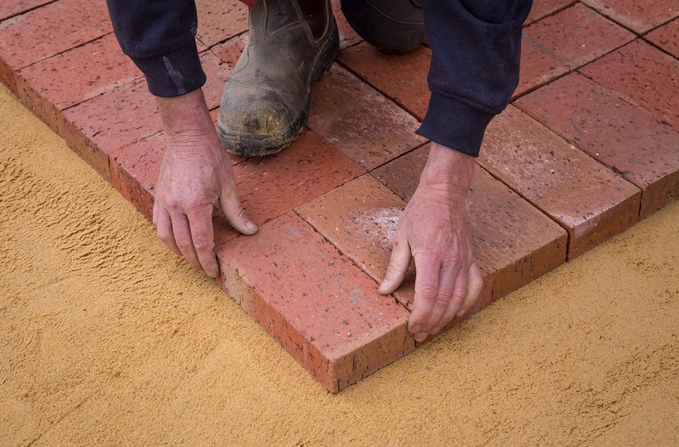
It’s easy to overlook the value of hardscaping—until you see the difference it makes. Custom pavers don’t just beautify your driveway; they enhance the whole outdoor living experience. Hardscape renovations, generally done by adding textures, patterns, and pavers, often prove effective to create a cohesive, intentional exterior. Unlike concrete or asphalt, pavers can tie into your existing outdoor features for a polished look that feels thoughtfully designed, not just functional. It’s a high-impact upgrade that adds both style and substance.

Durability That Handles Real Life

Driveways take a beating—weather, weight, oil stains, and constant foot and car traffic. One major reason homeowners are switching to custom pavers is durability. Unlike poured concrete, which can crack with shifting ground or freeze-thaw cycles, pavers are individual pieces that flex slightly with movement, making them less prone to damage. If one paver does get stained or chipped, you can replace it without tearing up the whole driveway. That kind of long-term reliability saves money—and headaches—down the road.

Low Maintenance, High Reward

maintenance

If you’re picturing your weekends spent pressure-washing or sealing your driveway, think again. Custom pavers are surprisingly low-maintenance. Most require only occasional sweeping, rinsing, and weed control in the joints. With proper installation and sealing, pavers resist staining and stay vibrant for years. Plus, because they’re modular, repairs are simple and localized—not the “tear it all up and start over” ordeal that comes with concrete or asphalt. For homeowners looking for beauty without constant upkeep, pavers hit the sweet spot.

A Boost in Value (and Bragging Rights)

While it’s tempting to think of custom pavers as just a cosmetic upgrade, they also offer a solid return on investment. A well-designed driveway made of high-quality pavers can boost your home’s curb appeal and resale value. Buyers notice details, and a beautiful driveway can create a strong first impression that sets your property apart. Even if you’re not selling anytime soon, there’s a certain satisfaction in knowing your home stands out for the right reasons—and that your neighbor’s driveway just doesn’t compare.

Your driveway doesn’t have to be the most boring part of your home’s exterior. With custom pavers, it can become one of the most eye-catching. From unique design options and long-lasting materials to added property value and easier maintenance, pavers are redefining what driveways can be. If you’re considering a home upgrade that combines form, function, and flair, this might be the perfect place to start. After all, your driveway should say something about your home—and with custom pavers, it says a lot.