
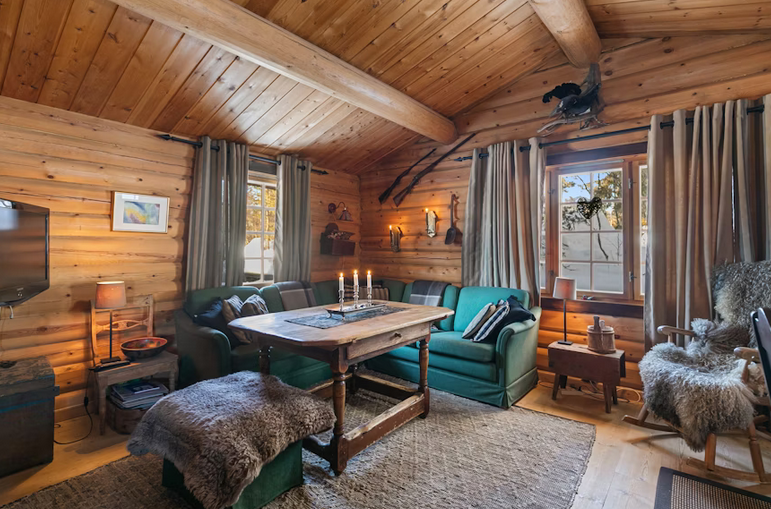
Tiny homes don’t leave much room for clutter. Every inch matters. Storage isn’t just about putting things away it’s about making a space functional. Without smart solutions, small homes feel cramped fast. The key is to think beyond standard furniture and look at every surface as a chance to store or organize. You’re not just tidying up. You’re creating room to live comfortably. For those just starting out, a beginner’s guide to shed homes can help shape smart choices from the beginning, especially when it comes to space-saving ideas.
Start With a Clean Layout
Good storage starts with layout. Before adding bins or shelves, study the way you move through the space. Can furniture be shifted to open a corner? Could stairs double as drawers? Tiny homes need furniture that does more than one job. Design choices should serve storage without blocking pathways or light. Clear floor space makes the entire area feel larger and more usable.
Use Vertical Space Creatively
Walls offer untapped potential. Mount shelves close to the ceiling to hold books or baskets. Hooks can keep jackets, bags, or tools off the ground. Tall storage units use less floor area while offering more room for essentials. Even doors can hold organizers on the back. Vertical space keeps things accessible but out of the way, giving the home a more open feel.
Make Furniture Work Harder
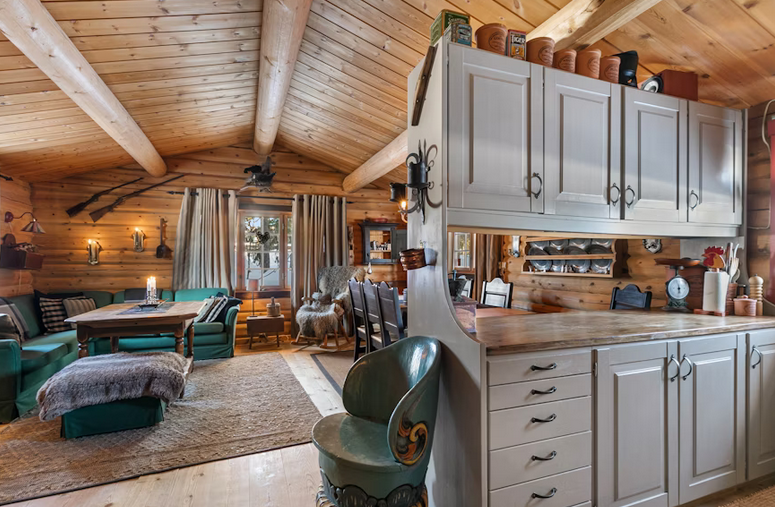
Every piece of furniture should have a second purpose. Beds can lift to reveal storage beneath. Benches with hollow seats hide blankets or cleaning supplies. A fold-down table can serve as a desk by day and a dining area by night. This kind of design helps reduce the number of pieces you need, opening up more room without losing functionality. Smart furniture is a cornerstone of storage in tight quarters.
Choose Storage That Moves With You
In tiny homes, flexibility is valuable. Rolling carts, baskets, or stackable containers offer options that fixed shelves can’t. You can move them around based on season or use. Having mobile storage means adapting your home to your needs without adding clutter. It allows the space to evolve, especially if your lifestyle changes. The goal is to make storage solutions part of the living flow, not obstacles to it.
Hide Things in Plain Sight

One of the smartest tricks in small-space design is hidden storage. Drawers built into stairs. Cabinets that look like walls. Mirrors with compartments behind them. These options keep visual clutter low while still offering full function. What’s hidden doesn’t have to be hard to reach. The goal is easy access without sacrificing style or space. Clean surfaces give the impression of more room, even when storage is packed behind them.
Every tiny home is unique, and so are its storage needs. A person who cooks daily may want extra kitchen space. Someone who works remotely might need a hidden desk and tech storage. Storage must serve your daily habits. That means planning with your lifestyle in mind, not just copying ideas from others. Smart storage begins with knowing what you need and ends with systems that support it. Function comes first, and design follows to enhance it.
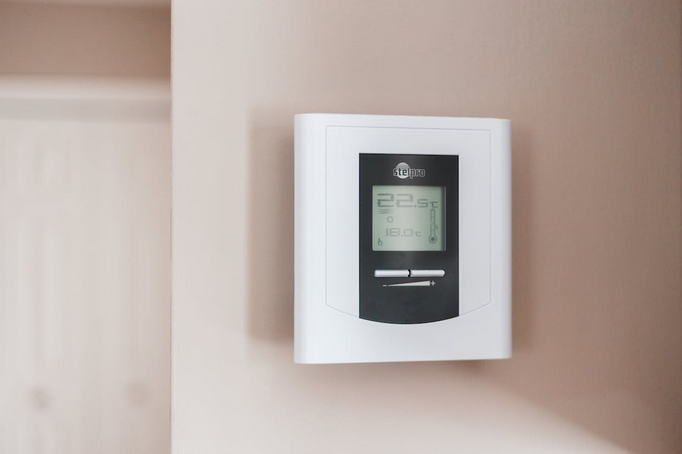
 What makes it really smart and easy to use is that it can be integrated with numerous other devices. This way, you can fully control your home’s temperature even when you’re not there. The best part is that it’s compatible with Amazon Alexa, Google Home, and Nest products. So if you have any of these devices, you can easily control the temperature in your home with just a few voice commands.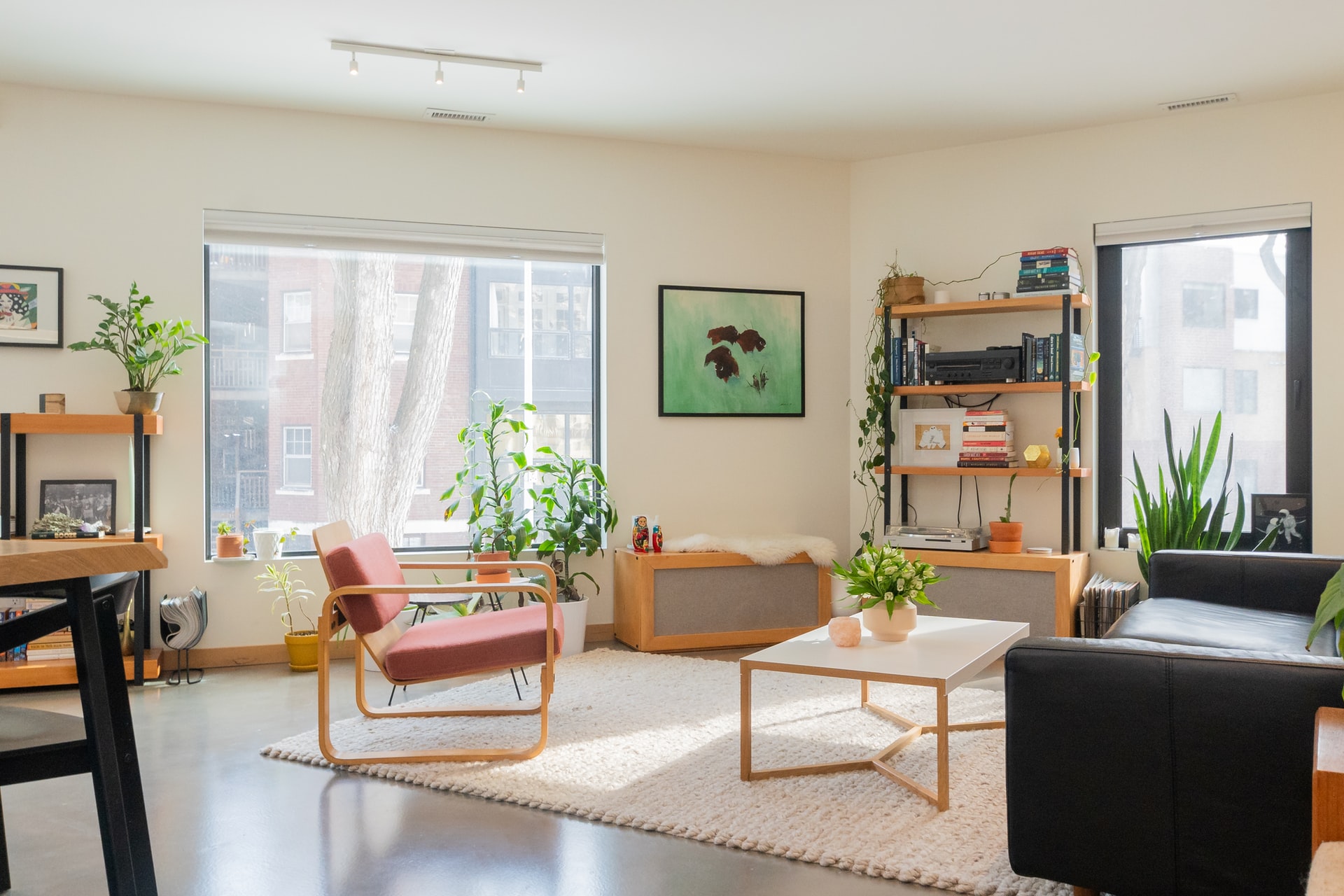
 One of the biggest mistakes when transforming your living room is refusing to de-clutter. Your living room will look much smaller and cramped if it’s full of clutter. Take the time to go through your belongings and get rid of anything that you don’t need or use. This will give you more space to work with and make your living room look more spacious. You can also do a garage sale after de-cluttered to make extra money. Most homeowners use this money to add to the expense budget for their living room transformation.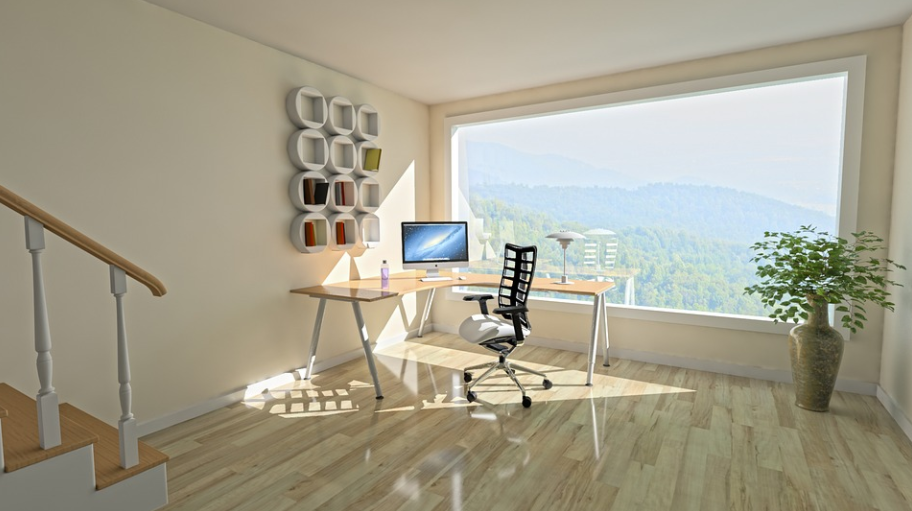
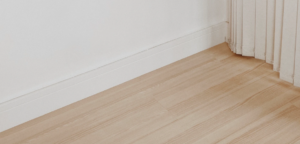 There are many types of materials used in floor construction, and the most important of which is MDF or perhaps known more as medium density fiberboard.
 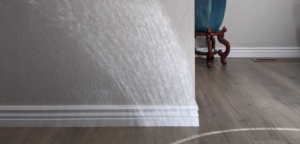 In terms of cost, MDF is much cheaper than wood, regardless of the many advantages. The substance has no knots or rings, which means that painting jobs will be a breeze. Both look good when left as they are. There is no grain which some prefer and some don’t. However, many buyers are inclined to add a few paint coats to match the interior decoration in many situations. In terms of moisture, MDF has a slightly higher tolerance than wood. Of course, you must try not to get it wet because it will warp if it gets wet.
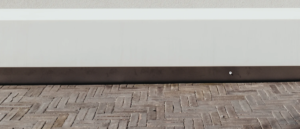 Natural wood was what our ancestors used for all their baseboard needs. It was easy to discover, as well as inexpensive, and simple to work with any materials. Softwoods, such as hickory, are still reasonably cheap and accessible, but the texture isn’t there, as some wood areas are denser than others. If you bleach or whiten, you may not get a smooth finish.