Designing a beautiful and functional backyard starts with choosing the right plants, a step many homeowners often overlook. The selection of plants directly affects the overall backyard design, long-term maintenance, and aesthetic appeal. Consulting a professional specializing in backyard design can provide valuable guidance, helping you choose plants that thrive in your specific soil, climate, and sunlight conditions. Considering factors such as water needs, growth patterns, and seasonal changes ensures a healthy, low-maintenance garden. Thoughtful combinations of colors, textures, and heights create visual interest, support biodiversity, and enhance the usability of your space. By planning carefully, you can craft an inviting backyard enjoyable for gatherings, relaxation, and outdoor activities throughout the year.
Assess Sunlight and Shade Conditions
One of the first steps in selecting backyard plants is analysing how sunlight interacts with your space throughout the day. Some plants require full sun for at least six hours, while others thrive in partial shade or full shade. Mapping out sunny and shaded areas allows you to place each plant where it can perform optimally, reducing stress and promoting healthy growth. Additionally, consider seasonal variations in sunlight. Trees or structures may cast shadows at different times of the year, which can affect plant health. Paying attention to these details prevents premature wilting and keeps your garden vibrant year-round.
Consider Soil Quality and Drainage
Different plants have varying soil preferences, including pH levels, nutrient content, and texture. Before planting, test your soil to understand its composition. Some plants, like succulents, prefer sandy, well-draining soils, while others, such as ferns, thrive in nutrient-rich, moisture-retentive soil. If your soil lacks the essential nutrients or has poor drainage, improving it with organic matter or installing raised beds may be necessary. Proper soil preparation helps prevent root rot, nutrient deficiencies, and uneven growth, creating a strong foundation for a thriving backyard garden.
Choose Plants Suitable for Your Climate
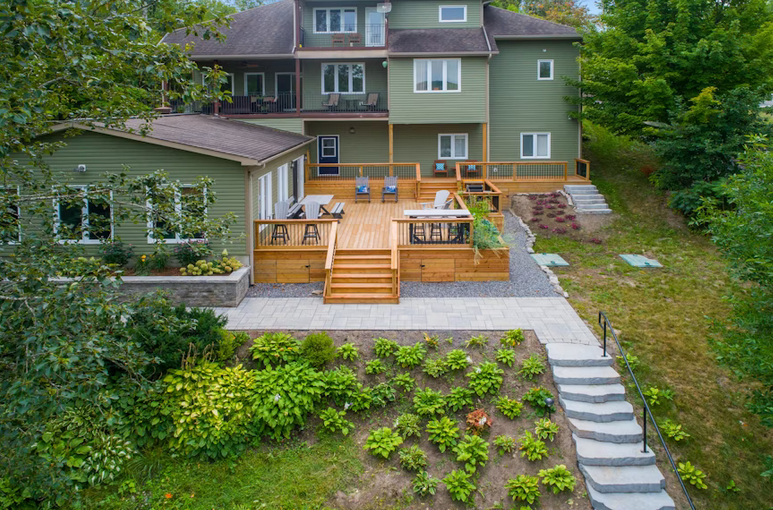
Climate is crital in plant selection. Plants that are not adapted to your region’s temperature ranges, rainfall patterns, and humidity levels are unlikely to thrive. Consult local resources or professional landscapers to identify native or climate-appropriate plants. Native plants usually need less water and maintenance, resist pests, and provide habitat for local wildlife. By selecting vegetation that thrive in your climate, you reduce the risk of plant stress, lower water usage, and create a sustainable garden environment that can flourish year after year.
Balance Size, Growth Rate, and Maintenance
When selecting plants, consider their mature size, growth rate, and maintenance requirements. Some plants grow quickly and may require frequent pruning, while others grow slowly and need minimal attention. Understanding how large plants will become helps prevent overcrowding and maintains a balanced appearance. Additionally, incorporating a mix of low-maintenance plants can reduce long-term workload, making your backyard enjoyable rather than burdensome. Think about how the plants will interact with pathways, outdoor furniture, and other structures to maintain a functional and aesthetically pleasing space.
Incorporate Diversity and Visual Interest
A well-designed backyard incorporates a variety of plant types to create texture, color, and seasonal interest. Combining shrubs, flowering plants, grasses, and ground covers can add depth and dimension, preventing a monotonous appearance. Selecting plants with staggered blooming periods ensures continuous color throughout the seasons. Furthermore, integrating edible plants or pollinator-friendly flowers can enhance the backyard’s usability and environmental contribution. Thoughtful combinations make the space stimulating visually and creates a more welcoming environment for both residents and visitors.
Selecting the best plants for your backyard is crucial for creating a vibrant, functional, and sustainable outdoor space. By assessing sunlight and shade conditions, understanding soil quality and drainage, choosing climate-appropriate plants, considering size and maintenance, and incorporating diversity and visual interest, you can establish a garden that thrives for years. Thoughtful plant selection minimizes maintenance challenges, supports a balanced ecosystem, and enhances your home’s aesthetic appeal.

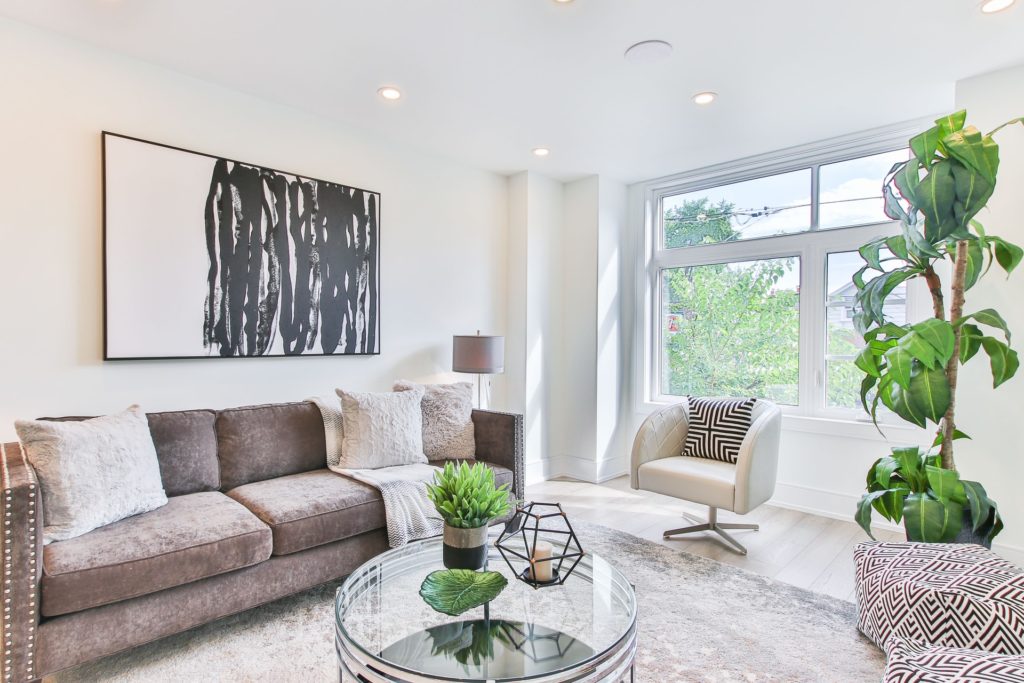
 I have broken my favorites down for you! Gray by character is trendy, so if you would like your house to feel hot, use a warm paint shade. Also, I want an eggshell or satin sheen since the apartment feels, well, horizontal to me. You’re able to incorporate this component via items like carpets, blankets, window remedies, cushion covers, artwork, and much more (under in colors, furniture, and carpet).
 Hey, I love Ikea as far as the next woman, and I have bought my fair share of new buys for our property. In reality, you may read my articles about searching for an Ikea couch versus a Pottery Barn couch. The essential tactics to personality to your house are to include classic or classic pieces! Bring in little comforts like cushions and throws. Among the simplest means to modify your room’s appearance, texture, and seasonal fashion will be to alter your cushion covers! It is one of my favorite tips for a comfy living space, and it’s easy to understand how to mix and match layouts and styles.
 Even if only a hint (such as this kitchen island under), Wood immediately warms a space. It’s possible to make a comfy home with wood components such as hardwood flooring, wood furniture such as a dresser or coffee table, wood dividers, or shelving such as bowls, pedestals, and trays. Plants, flowers, vegetables, and fruits bring as much life into a distance.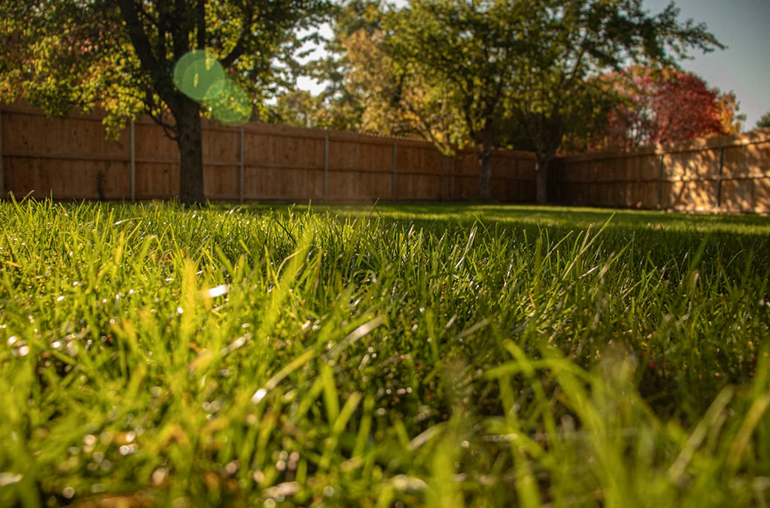

 There are many design options that you could offer to your backyard design. Amidst your excitement, don’t forget to do your homework and plan well before spending your money on your backyard. The design you prefer should work well with your home’s most current layout and individual characteristics such as soil conditions, accessibility, topography, etc. Here are some of the pool designs, along with other variables you may want to explore before you get to work. There are two types of pools you can choose from. It is a pool built on the ground and will be a permanent feature of your home.
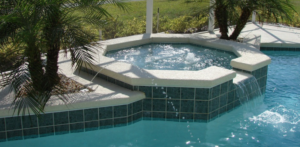 Often, an excellent pool remodeling company may include a spa when they do other things, so if you find that your pool needs to be re-tiled or maintained, you will understand that you can see what your options are when it comes to getting package deals. In most regions, you will find that you are very likely to get a consultation that will give you a fantastic idea of what you are likely to pay for and what features you might want to consider. It isn’t bad, but an excellent hot shower can’t take away that hassle when you get ready for the day.

 On the other hand, multi-split systems include numerous indoor units connected to a much larger outdoor unit. These systems are designed for larger spaces, such as retail stores, restaurants, medical offices, and commercial spaces, especially those with many walls and numerous floors. These systems consist of heat pumps that circulate air as it flows, obviously saving a lot of money. On the other hand, the installation price can be higher, as they require more preparation time.