

It’s no secret that HVAC systems keep modern spaces warm in the winter and cool in the summer to keep everyone comfortable year-round. So, understanding your hvac system might be beneficial. These systems are used to control the heating and cooling temperature of homes or offices. They can also be used as heat pumps, central air conditioners, ductless AC units, and many more. HVAC systems can be combined to provide heating and cooling altogether in one unit. If you have any experience with commercial HVAC systems, you may be familiar with the different types of HVAC systems on the market today. If you don’t, let’s learn the different types of HVAC systems for commercial buildings.
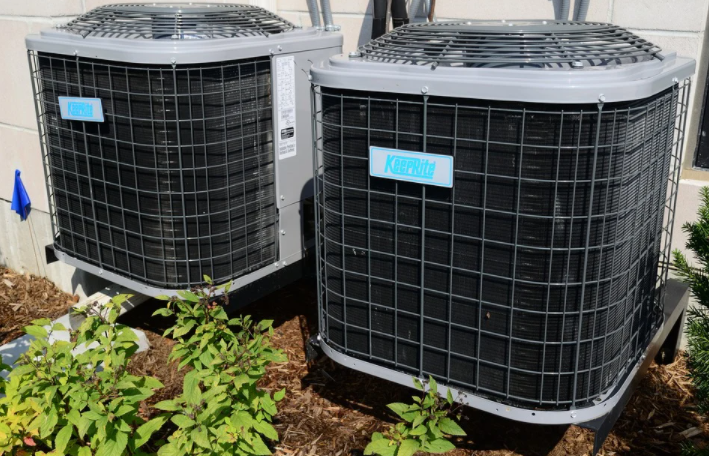
Single-Split Systems
As the first type, it is considered the more affordable choice for commercial HVAC systems. These are particularly well suited for small businesses, cafes, stores, and other cozy entertainment areas. The excellent thing about them is that an outdoor unit accompanies each indoor unit. Therefore, if you are looking to expand your small business space, you can always add additional cooling capacity to such systems at a 1:1 ratio. These HVAC systems usually contain air pollutants that circulate through air ducts and air heaters that pass the atmosphere through refrigerant lines. The only disadvantage of single split methods is that if you want to control a room individually, you need an outdoor unit, which takes up a lot of space.
Multi-Split Systems
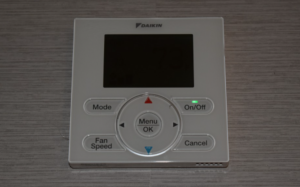 On the other hand, multi-split systems include numerous indoor units connected to a much larger outdoor unit. These systems are designed for larger spaces, such as retail stores, restaurants, medical offices, and commercial spaces, especially those with many walls and numerous floors. These systems consist of heat pumps that circulate air as it flows, obviously saving a lot of money. On the other hand, the installation price can be higher, as they require more preparation time.
VRV Systems
A VRV system is short for Variable Refrigerant Volume. This system has one evaporator connected to a condensing unit. It is important to know that the VRF machine with heat recovery can heat and cool several rooms simultaneously, using the warm environment of different areas of the building to provide heat where it is needed. These programs are especially perfect for buildings with small spaces.
As technology becomes more sophisticated, heating, ventilation, and air conditioning (HVAC) systems require special attention and care. They must be updated from time to time to meet the comfort and needs of all occupants. It’s also important to employ an HVAC service to maintain your system and maximize its lifespan frequently.

 I have broken my favorites down for you! Gray by character is trendy, so if you would like your house to feel hot, use a warm paint shade. Also, I want an eggshell or satin sheen since the apartment feels, well, horizontal to me. You’re able to incorporate this component via items like carpets, blankets, window remedies, cushion covers, artwork, and much more (under in colors, furniture, and carpet).
 Hey, I love Ikea as far as the next woman, and I have bought my fair share of new buys for our property. In reality, you may read my articles about searching for an Ikea couch versus a Pottery Barn couch. The essential tactics to personality to your house are to include classic or classic pieces! Bring in little comforts like cushions and throws. Among the simplest means to modify your room’s appearance, texture, and seasonal fashion will be to alter your cushion covers! It is one of my favorite tips for a comfy living space, and it’s easy to understand how to mix and match layouts and styles.
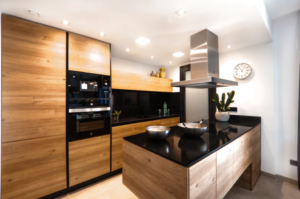 Even if only a hint (such as this kitchen island under), Wood immediately warms a space. It’s possible to make a comfy home with wood components such as hardwood flooring, wood furniture such as a dresser or coffee table, wood dividers, or shelving such as bowls, pedestals, and trays. Plants, flowers, vegetables, and fruits bring as much life into a distance.





 Managing your budget is crucial when building a home abroad. Currency exchange rates can fluctuate, impacting the cost of materials and labor. It’s essential to account for potential currency fluctuations and consider using financial tools like forward contracts or currency hedges to mitigate risks. Additionally, create a comprehensive budget that includes all project-related expenses, from construction costs to legal fees and taxes.